

09 Sep Unforgettable Places to Visit in Eastern Sierra: Your Ultimate Travel Guide
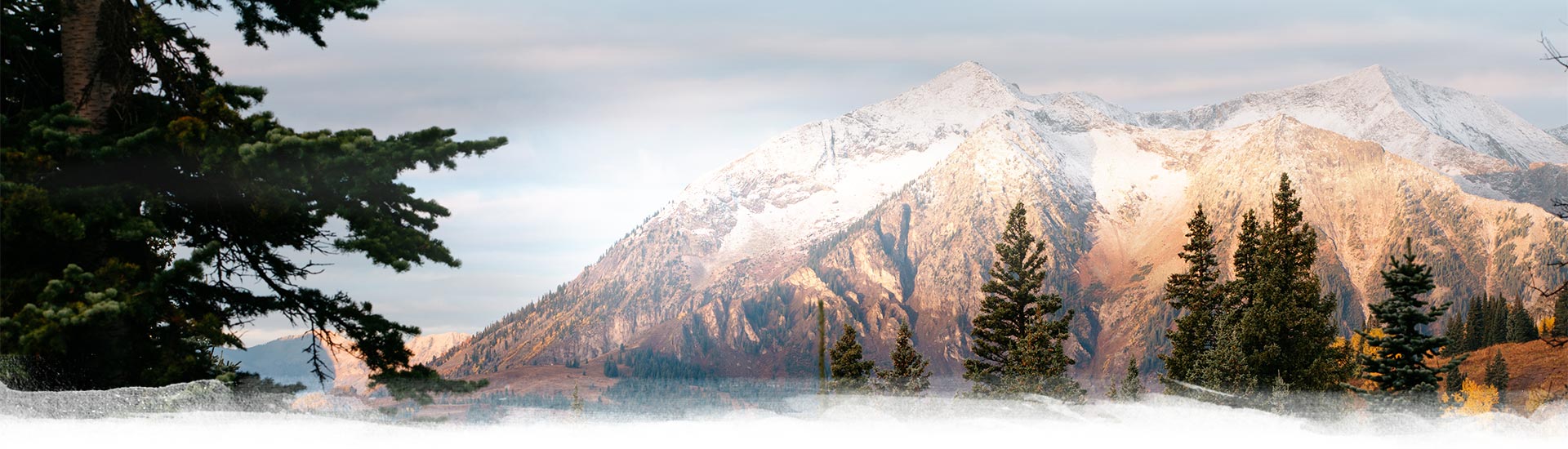
The Eastern Sierra grabs your attention with its rugged peaks and serene lakes. This California gem offers adventure and tranquility. From Yosemite National Park to Mammoth Lakes, it’s a playground for nature lovers. Whether you hike, ski, or explore ghost towns, the region delivers unforgettable experiences.
In 2024, over 4 million visitors explored California’s national parks, per the National Park Service. The Eastern Sierra, with its High Sierra trails and alpine scenery, draws a growing crowd. This guide covers must-visit spots, how to get there, route plans, costs, and tips for a seamless trip. Let’s plan your adventure!
Why Visit the Eastern Sierra?
The Eastern Sierra blends adventure, history, and natural beauty. Snow-capped mountains tower over vibrant meadows. Alpine lakes reflect clear skies. Historic sites like Bodie State Historic Park tell stories of the California Gold Rush. Whether you chase waterfalls or seek solitude, this region has it all.
- Diverse Activities: Hike the John Muir Trail, ski Mammoth Mountain, or relax at Hot Creek Geologic Site.
- Unique Landscapes: Explore Mono Lake’s Tufa Towers or the Ancient Bristlecone Pine Forest.
- Accessibility: Highway 395 connects key destinations, making road trips easy.
Getting to the Eastern Sierra
By Air
The closest major airport is Los Angeles International Airport (LAX). From LAX, rent a car for the 5–6 hour drive to Mammoth Lakes or Lee Vining. Alternatively, fly into Reno-Tahoe International Airport (RNO) for a 3-hour drive to Mono County. Small regional airports like Mammoth Yosemite Airport offer seasonal flights.
- Cost: Round-trip flights to LAX average $150–$400. Car rentals cost $40–$100 per day.
- Tip: Book flights early for deals. Check Skyscanner for the best prices.
By Car
U.S. Highway 395 is the backbone of Eastern Sierra travel. This scenic route runs from Southern California to Reno, passing Alabama Hills, Mammoth Lakes, and Mono Lake. Check road conditions, especially in winter, as snow can close Tioga Pass Road.
- Route Plan:
- From Los Angeles: Take I-5 to CA-14, then merge onto Highway 395. Stop at Alabama Hills (4 hours from LAX).
- From San Francisco: Drive CA-120 through Yosemite (Tioga Pass) to Lee Vining (5–6 hours). Note: Tioga Pass closes in winter.
- From Reno: Follow Highway 395 south to Mono Lake (3 hours).
- Cost: Gas for a round trip from LAX to Mammoth Lakes costs $60–$100, based on 25 MPG and $4/gallon.
- Tip: Use Gaia GPS for offline navigation in remote areas.
By Bus
Limited bus services exist. Greyhound connects Los Angeles to Lone Pine, near Alabama Hills. Eastern Sierra Transit offers routes from Lone Pine to Mammoth Lakes.
- Cost: $30–$60 one-way from Los Angeles to Lone Pine.
- Tip: Buses are budget-friendly but less flexible. Plan for transfers.
Top Places to Visit in the Eastern Sierra
Yosemite National Park
Yosemite National Park stuns with granite cliffs and waterfalls. The Yosemite Valley offers iconic views of Half Dome and Clouds Rest. Tuolumne Meadows provides high-altitude hiking. Tenaya Lake sparkles with clear waters, perfect for picnics.
- Activities: Hike to Cathedral Lakes (7 miles, moderate) or climb Half Dome (14.5 miles, strenuous, permit required).
- Cost: $35/vehicle for a 7-day pass. America the Beautiful Pass ($80/year) covers all national parks.
- Tip: Visit during National Park Week (April) for free entry. Apply for the Half Dome permit lottery in March.
Mammoth Lakes
Mammoth Lakes thrives as a year-round destination. Summer brings hiking in the Mammoth Lakes Basin. Winter transforms it into a ski haven at Mammoth Mountain Ski Area. Devils Postpile National Monument and Rainbow Falls are must-sees.
- Activities: Hike to Minaret Lake (13 miles, challenging) or visit Hot Creek Geologic Site for geothermal wonders.
- Cost: Free entry to most trails. Ski lift tickets cost $50–$150/day.
- Tip: Stop at the Mammoth Adventure Center for trail maps and rentals.
Mono Lake
Mono Lake’s Tufa Towers create an otherworldly landscape. This ancient saline lake fascinates visitors. Lee Vining, a nearby town, offers dining and lodging. The Mono Basin Scenic Visitor Center provides history and guided tours.
- Activities: Walk the South Tufa Trail (1 mile, easy). Kayak the lake for $50/hour.
- Cost: $3/adult for South Tufa access. Free for kids under 16.
- Tip: Bring sun protection. The lake’s high elevation increases UV exposure.
Alabama Hills
Alabama Hills, near Lone Pine, boasts dramatic rock formations. Hollywood films, like Iron Man, used this backdrop. The Museum of Western Film History in Lone Pine dives into its cinematic past. Grab coffee at Alabama Hills Cafe.
- Activities: Explore the Mobius Arch Loop Trail (0.6 miles, easy). Camp for free on BLM land.
- Cost: Free entry. Camping permits are $10–$20/night at nearby sites.
- Tip: Visit at sunrise for stunning photos.
Bodie State Historic Park
Bodie Ghost Town, a preserved Gold Rush relic, feels frozen in time. Wander among abandoned buildings and a historic Stamp Mill. The park’s remote location adds to its eerie charm.
- Activities: Take a self-guided tour (1–2 hours). Join a photography workshop ($50–$100).
- Cost: $8/adult, $4/child. Cash only for entry.
- Tip: Wear sturdy shoes. Dirt roads can be rough.
Ancient Bristlecone Pine Forest
The Ancient Bristlecone Pine Forest in the White Mountains houses trees over 4,000 years old. The Discovery Loop Trail offers breathtaking views of the Sierra Nevada.
- Activities: Hike the Methuselah Trail (4.5 miles, moderate). Visit the Schulman Grove Visitor Center.
- Cost: $3/adult, free for kids under 18.
- Tip: Watch for altitude sickness at 10,000+ feet. Stay hydrated.
Mount Whitney & Whitney Portal
Mount Whitney, the highest peak in the contiguous U.S., towers at 14,505 feet. Whitney Portal is the trailhead for climbers. The John Muir Trail and Pacific Crest Trail converge here.
- Activities: Day hike to Lone Pine Lake (6 miles, moderate). Summit Mount Whitney (22 miles, strenuous, permit required).
- Cost: $15–$30 for permits. Apply via recreation.gov.
- Tip: Train for elevation gain. Acute Mountain Sickness is common above 10,000 feet.
June Lake Loop
The June Lake Loop offers alpine lakes and scenic drives. Fish at Crowley Lake or soak at Wild Willy’s Hot Spring. The area’s vibrant fall colors draw photographers.
- Activities: Paddleboard at June Lake ($30/hour). Hike to Parker Lake (4 miles, moderate).
- Cost: Free for most activities. Parking fees may apply ($5–$10).
- Tip: Visit in autumn for vivid foliage.
Inyo National Forest
Inyo National Forest spans millions of acres. Big Pine Lakes and Palisade Glacier offer jaw-dropping hikes. Cottonwood Lakes provide serene camping.
- Activities: Backpack to Iceberg Lake (10 miles, challenging). Fish in the San Joaquin River.
- Cost: $10–$20 for camping. Some trails require permits ($5–$15).
- Tip: Pack poop bags for dog-friendly trails. Follow Leave No Trace principles.
Manzanar National Historic Site
Manzanar tells the sobering story of Japanese-American internment during WWII. The interpretive center offers exhibits and a short driving tour.
- Activities: Walk the 0.5-mile interpretive trail. Watch the 22-minute film at the visitor center.
- Cost: Free entry.
- Tip: Visit in spring to avoid summer heat.
Route Plan for a 7-Day Eastern Sierra Adventure

Day 1: Arrive in Lone Pine
- Morning: Fly into LAX or drive from your starting point.
- Afternoon: Explore Alabama Hills. Hike Mobius Arch Loop. Grab lunch at Alabama Hills Cafe.
- Evening: Check into Mono Vista RV Park or a Lone Pine hotel ($80–$150/night).
- Cost: $50–$100 for meals and lodging.
Day 2: Mount Whitney & Whitney Portal
- Morning: Drive Whitney Portal Road to the trailhead. Hike to Lone Pine Lake.
- Afternoon: Picnic at Whitney Portal. Visit the Laws Railroad Museum in Bishop.
- Evening: Return to Lone Pine for dinner.
- Cost: $20–$50 for permits and meals.
Day 3: Mammoth Lakes
- Morning: Drive Highway 395 to Mammoth Lakes (1 hour). Visit Devils Postpile and Rainbow Falls.
- Afternoon: Hike in Mammoth Lakes Basin. Try the McGee Creek Trail (6 miles, moderate).
- Evening: Dine at Black Sheep Coffee Roasters. Stay at a Mammoth Lakes hotel ($100–$200/night).
- Cost: $50–$150 for activities and lodging.
Day 4: Mono Lake & Lee Vining
- Morning: Drive to Lee Vining (30 minutes). Tour Mono Lake’s South Tufa Trail.
- Afternoon: Visit the Mono Basin Scenic Visitor Center. Kayak Mono Lake.
- Evening: Stay in Lee Vining ($80–$150/night).
- Cost: $40–$100 for activities and lodging.
Day 5: Bodie State Historic Park
- Morning: Drive to Bodie Ghost Town (1 hour). Take a self-guided tour.
- Afternoon: Picnic at Bodie. Explore nearby Hot Creek Geologic Site.
- Evening: Return to Mammoth Lakes for dinner and lodging.
- Cost: $30–$80 for entry, meals, and lodging.
Day 6: Yosemite National Park
- Morning: Drive Tioga Pass Road to Yosemite (1.5 hours). Hike Cathedral Lakes.
- Afternoon: Visit Olmsted Point and Tenaya Lake. Picnic in Tuolumne Meadows.
- Evening: Stay in Lee Vining or camp in Yosemite ($20–$50/night).
- Cost: $50–$120 for entry, meals, and lodging.
Day 7: Ancient Bristlecone Pine Forest & Return
- Morning: Drive to the White Mountains (1.5 hours). Hike the Methuselah Trail.
- Afternoon: Visit the Schulman Grove Visitor Center. Begin your return to LAX or Reno.
- Evening: Arrive at your starting point or extend your trip to Lake Tahoe (3 hours from Mammoth Lakes).
- Cost: $40–$100 for meals and gas.
Read Also:
Best Hikes in Joshua Tree National Park
Your Complete Guide to the Best Elephant Sanctuary in Chiang Mai
Costs Breakdown
- Transportation: $150–$400 (flights), $40–$100/day (car rental), $60–$100 (gas).
- Lodging: $80–$200/night for hotels or RV parks. Camping is $10–$50/night.
- Activities: $3–$150, depending on permits, rentals, or guided tours.
- Food: $30–$100/day for meals at cafes or restaurants.
- Total for 7 Days: $800–$2,000 per person, depending on lodging and activities.
Tips for a Successful Trip
- Prepare for Altitude: The High Sierra’s elevation (8,000–14,000 feet) can cause Acute Mountain Sickness. Drink water and rest frequently.
- Pack Smart: Bring a Patagonia Down Sweater for chilly nights. Carry sun protection and poop bags for dog-friendly trails.
- Check Road Conditions: Tioga Pass and Whitney Portal Road may close in winter. Monitor Caltrans updates.
- Plan for Wildfire Season: Summer and fall bring risks. Check InciWeb for fire alerts.
- Book Permits Early: Half Dome and Mount Whitney require permits. Apply months in advance.
Fun Facts to Spark Your Wanderlust
- The Ancient Bristlecone Pine Forest houses the world’s oldest tree, Methuselah, at 4,853 years old, per the USDA Forest Service.
- Mono Lake’s Tufa Towers form from calcium-rich springs, creating a surreal landscape.
- Alabama Hills has starred in over 400 films, per the Museum of Western Film History.
Start Your Eastern Sierra Adventure Today
The Eastern Sierra offers endless wonders. Hike Yosemite’s Half Dome. Marvel at Mono Lake’s Tufa Towers. Explore Bodie’s ghostly streets. With Highway 395 as your guide, you’ll uncover alpine lakes, historic sites, and snow-capped peaks. Plan your route, pack wisely, and embrace the adventure. Share your favorite Eastern Sierra spot in the comments below or start planning your trip now!
FAQs
What’s the Best Time to Visit the Eastern Sierra?
Spring (April–June) and fall (September–October) offer mild weather and fewer crowds. Summer is great for hiking but watch for wildfire season. Winter suits skiers at Mammoth Mountain.
Are Eastern Sierra Trails Dog-Friendly?
Many trails, like those in Inyo National Forest, allow dogs. Bring poop bags and keep pets leashed. Check park rules, as Yosemite restricts dogs in some areas.
How Do I Prepare for Altitude Sickness?
Hydrate well before and during your trip. Avoid alcohol and heavy meals. Ascend gradually to adjust. Consult a doctor if you have health concerns.
Do I Need Permits for Hiking in the Eastern Sierra?
Yes, for Mount Whitney, Half Dome, and some Inyo National Forest trails. Apply via recreation.gov. Book early, as permits are limited.
What’s the Best Way to Explore Highway 395?
Rent a car for flexibility. Stop at Alabama Hills, Mammoth Lakes, and Mono Lake. Use Gaia GPS for navigation. Check road conditions in winter.
References
- National Park Service: Yosemite Visitor Statistics, https://www.nps.gov/yose/planyourvisit/visitorstats.htm
- USDA Forest Service: Bristlecone Pine Facts, https://www.fs.usda.gov/wildflowers/beauty/bristleconepines
- Museum of Western Film History: Alabama Hills Filmography, https://www.museumofwesternfilmhistory.org
- Caltrans: Highway 395 Road Conditions, https://roads.dot.ca.gov
- InciWeb: Wildfire Updates, https://inciweb.nwcg.gov
No Comments