


16 Jun What to See and Do in Kyoto Japan
Kyoto stands as the cultural heart of Japan with over 1,600 temples and 400 shrines. It attracts more than 50 million visitors annually who come to experience its timeless beauty. This city blends ancient traditions with modern charm in a way few places can match. From serene bamboo forests to vibrant festivals Kyoto offers unforgettable experiences for every traveler. Its rich history and stunning landscapes make it a must visit destination in Japan.
Explore Kyoto’s Iconic Temples and Shrines
Kinkaku ji also known as the Golden Pavilion dazzles visitors with its gold leaf covered exterior. The temple reflects beautifully on the surrounding pond creating a breathtaking sight. It was originally built in 1397 as a retirement villa for a shogun. Today it serves as a Zen Buddhist temple and a symbol of Kyoto’s rich history.
Fushimi Inari Taisha is famous for its thousands of vibrant red torii gates. These gates form winding trails up the sacred Mount Inari. Each gate is donated by a Japanese business to bring good fortune. The hike to the summit offers stunning views of Kyoto and a sense of spiritual connection.
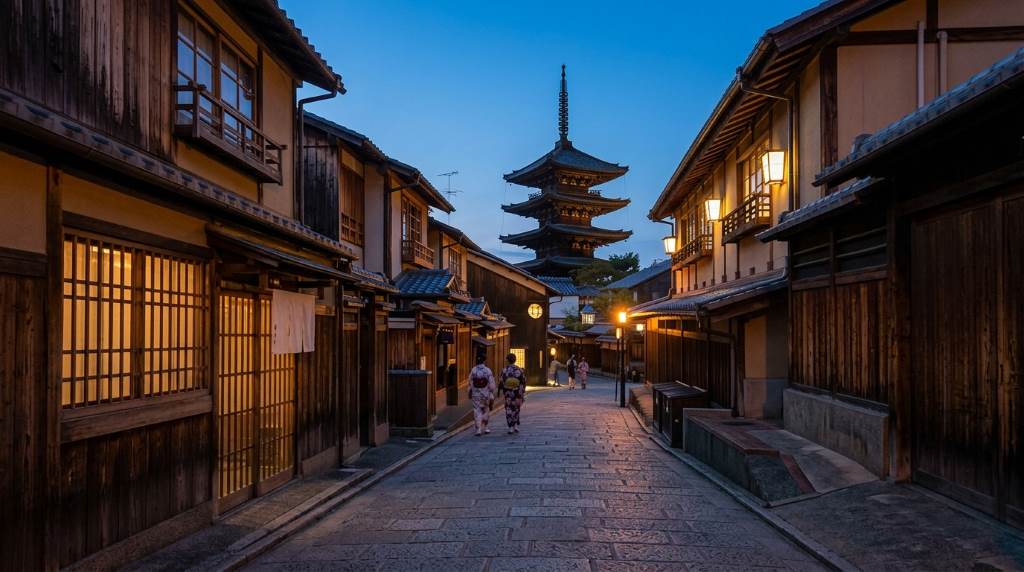
Kiyomizu dera provides panoramic views of Kyoto from its wooden stage. This UNESCO World Heritage site is especially beautiful during cherry blossom and autumn foliage seasons. The temple’s name means pure water temple referring to the Otowa Waterfall below. Visitors can drink from the waterfall for health longevity and success at school.
When visiting these sacred sites consider bringing a durable travel tote bag to carry your essentials comfortably. This will help you keep your hands free for photos and exploration.
Discover Kyoto’s Stunning Natural Beauty
The Arashiyama Bamboo Grove is a surreal forest of towering bamboo stalks. The sunlight filtering through the bamboo creates a magical atmosphere. This area is perfect for a peaceful walk or photography session. Nearby you can explore the scenic Hozu River by boat.
Philosopher’s Path follows a cherry tree lined canal in northern Kyoto. The path is named after a famous philosopher who meditated while walking here. It is especially popular during cherry blossom season when the trees burst into pink. The area is also home to many charming cafes and small temples.
The Kyoto Botanical Garden is Japan’s oldest botanical garden. It features over 12,000 plant species from around the world. The garden offers a peaceful escape from the city’s bustle. Seasonal flowers ensure there is always something beautiful to see.
Experience Kyoto’s Rich Cultural Traditions
Tea ceremony experiences allow visitors to participate in this ancient Japanese tradition. Kyoto is the birthplace of the Japanese tea ceremony. Many tea houses offer sessions where you can learn about the art of tea preparation. These ceremonies provide insight into Japanese culture and hospitality.
Kimono rental shops are abundant in Kyoto’s historic districts. Wearing a kimono while exploring the city adds a special touch to your visit. Many shops offer full sets including obi sashes and accessories. Staff often help with dressing and provide tips on proper kimono etiquette.
Traditional craft workshops let you try your hand at various Japanese arts. Kyoto is renowned for its pottery weaving and lacquerware. These workshops offer a chance to create your own souvenir. They also provide a deeper appreciation for Japanese craftsmanship.
To truly immerse yourself in the local culture consider connecting with local communities during your stay. This can lead to authentic experiences and lasting memories.
Sample Kyoto’s Delicious Local Cuisine
Kaiseki ryori is Kyoto’s traditional multi course meal. It emphasizes seasonal ingredients and artistic presentation. Each dish is carefully prepared to highlight natural flavors. This culinary experience is a feast for both the eyes and the palate.
Yudofu is a simple yet delicious tofu hot pot dish. Kyoto’s water is particularly well suited for making tofu. The dish is typically served with ponzu sauce and grated ginger. It is a comforting meal especially during colder months.
Matcha treats are a must try in Kyoto. The city is famous for its high quality matcha green tea. You can enjoy matcha in various forms from lattes to traditional tea ceremonies. Matcha flavored sweets like mochi and ice cream are also popular.
Nishiki Market is Kyoto’s largest traditional food market. It offers a wide variety of local specialties and fresh ingredients. The market is a great place to sample different foods. It is also an excellent spot to pick up unique souvenirs.
Unique and Uncommon Experiences in Kyoto
Samurai and ninja museums offer interactive experiences. Visitors can dress up as samurai or ninja and learn about their history. Some museums even offer sword fighting demonstrations. These experiences provide a fun and educational look into Japan’s warrior past.
Zen meditation sessions are available at several temples in Kyoto. These sessions offer a chance to experience the peace of Zen Buddhism. Participants learn proper posture and breathing techniques. It is a unique way to find inner calm amidst your travels.
Kyoto’s hidden temples offer a more intimate experience. These lesser known temples often have beautiful gardens and historic buildings. They provide a peaceful alternative to the more crowded tourist spots. Exploring these hidden gems can lead to unexpected discoveries.
For those who love outdoor adventures consider bringing some travel gift ideas for camping enthusiasts. Kyoto’s surrounding nature offers great opportunities for camping and hiking.
Seasonal Highlights in Kyoto
Spring brings cherry blossoms to Kyoto’s parks and temples. The city celebrates with hanami picnics under the blooming trees. Maruyama Park and Philosopher’s Path are popular spots for cherry blossom viewing. The blossoms typically peak in early April.
Summer in Kyoto is hot and humid but full of vibrant festivals. The Gion Matsuri festival in July is one of Japan’s most famous. It features grand processions of floats and traditional performances. The festival offers a glimpse into Kyoto’s rich cultural heritage.
Autumn transforms Kyoto into a canvas of red orange and yellow. The fall foliage is particularly stunning at temples like Tofuku ji and Eikando. The city hosts various light up events to showcase the autumn colors. This season is ideal for photography and nature walks.
Winter in Kyoto is cold but offers its own unique charms. Illuminations at temples like Kiyomizu dera create a magical atmosphere. The city is less crowded during this season making it perfect for peaceful exploration. Hot springs in the nearby Arima Onsen offer a relaxing escape from the cold.
Practical Tips for Visiting Kyoto
Public transportation in Kyoto is efficient and easy to use. The city bus system covers most major attractions. A day pass offers unlimited rides and is cost effective for tourists. Taxis are also available but more expensive.
Kyoto is a walkable city with many attractions close together. Walking allows you to discover hidden alleys and local shops. Comfortable shoes are essential for exploring on foot. Many historic districts are best explored by walking.
English signage is limited in Kyoto so it helps to learn some basic Japanese phrases. Many locals appreciate the effort to communicate in their language. A translation app can also be useful for navigating the city. Most people in the tourism industry speak some English.
Cash is still king in many places in Kyoto. While credit cards are accepted in larger establishments many small shops and restaurants are cash only. It is advisable to carry some cash with you. ATMs are widely available at convenience stores and post offices.
Day Trips from Kyoto
Nara is a popular day trip destination from Kyoto. It is home to the famous Todai ji temple and its giant Buddha statue. Nara Park is known for its friendly deer that roam freely. The city offers a mix of history and natural beauty.
Uji is a small city south of Kyoto famous for its matcha green tea. The Byodo in Temple is a UNESCO World Heritage site with a stunning Phoenix Hall. Uji also offers beautiful riverside walks and tea tasting experiences.
Osaka is Japan’s second largest city and offers a different urban experience. It is known for its vibrant food scene and modern attractions. Universal Studios Japan and Osaka Castle are popular attractions. The city is just a short train ride from Kyoto.
Where to Stay in Kyoto
Gion is Kyoto’s most famous geisha district. Staying here offers a chance to see geisha and maiko on their way to appointments. The area is filled with traditional tea houses and restaurants. It provides an atmospheric base for exploring the city.
Downtown Kyoto offers convenient access to shopping and dining. The area is more modern than other parts of the city. It is a good choice for those who want to be in the heart of the action. Many hotels and hostels cater to different budgets.
Arashiyama offers a more nature focused stay. The area is known for its bamboo grove and scenic river views. It is a bit farther from the city center but offers a peaceful retreat. Many ryokan traditional inns are located in this area.
Conclusion
Kyoto is a city where ancient traditions meet modern life. Its temples gardens and cultural experiences offer something for every traveler. Whether you are seeking spiritual enlightenment culinary delights or natural beauty Kyoto delivers. Plan your trip carefully to make the most of this incredible destination.
Start your journey today and discover why Kyoto remains one of Japan’s most beloved cities. The memories you make here will last a lifetime. Do not miss the chance to experience the heart of Japanese culture.
FAQ
What is the best time to visit Kyoto?
Spring and autumn offer the most pleasant weather and beautiful scenery.
How many days should I spend in Kyoto?
At least 3 to 4 days are recommended to explore the main attractions.
Is Kyoto expensive to visit?
Kyoto offers options for all budgets from luxury ryokan to affordable hostels.
Can I see geisha in Kyoto?
Yes you can spot geisha and maiko in the Gion district especially in the evenings.
What should I not miss in Kyoto?
Do not miss Fushimi Inari Taisha Kinkaku ji and the Arashiyama Bamboo Grove.
No Comments