

13 May Why Photographers in Phoenix, AZ Visit Chile’s Most Beautiful Coastal Islands
Photographers in Phoenix often search for fresh landscapes that contrast with the dry Arizona desert. Chile’s island regions offer dramatic coastlines, colorful villages, volcanic cliffs, and rich marine life that inspire creative travel photography. According to the World Tourism Organization, nature tourism continues to grow by more than 10% yearly in several South American regions. Meanwhile, photography tourism has become a rising niche for both professionals and hobbyists seeking rare landscapes. Many travelers now explore beautiful coastal islands in Chile because these locations combine untouched scenery with unique lighting conditions that photographers rarely experience in the American Southwest.
The Strong Visual Contrast Between Phoenix and Chile
Phoenix photographers spend most of the year capturing desert landscapes, cacti, and warm earth tones. Although Arizona offers stunning scenery, many creatives eventually want different textures and colors in their portfolios. Chile’s coastal islands provide misty beaches, deep blue waters, green cliffs, and vibrant fishing communities. As a result, photographers gain access to visual diversity that strengthens their work.
The climate difference also plays a major role in travel decisions. Phoenix regularly experiences temperatures above 100°F during summer months, while Chile’s coastal islands often remain cooler and more comfortable. This mild weather allows photographers to shoot outdoors for longer periods without harsh heat exhaustion. Consequently, many Arizona-based photographers schedule island trips during the hottest Phoenix seasons.
Chile’s Coastal Islands Offer Unique Natural Lighting
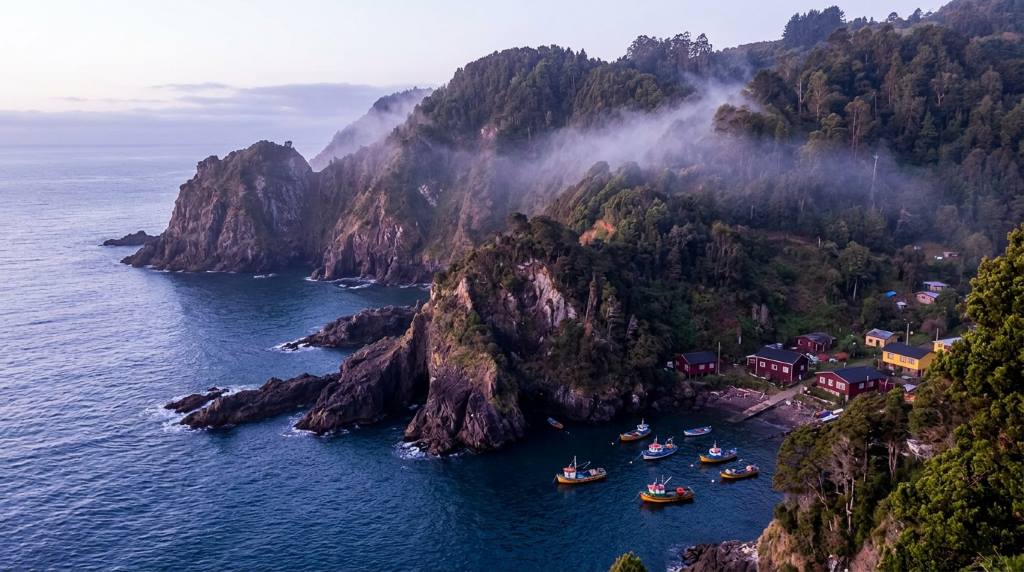
Lighting conditions shape the quality of every photograph. Chile’s islands feature changing skies, coastal fog, and reflective ocean surfaces that create dynamic lighting throughout the day. Unlike the intense desert sunlight in Phoenix, island environments soften shadows and produce balanced exposure. Therefore, photographers can capture more cinematic and emotional images.
Golden hour photography becomes especially rewarding along Chile’s coastlines. Early morning mist and sunset reflections create rich color gradients across the water and cliffs. Moreover, cloud movement adds texture to landscape compositions without requiring heavy editing later. These natural effects help photographers produce high-quality content directly from the camera.
Why Soft Coastal Light Matters
Soft light improves portrait photography dramatically. Many photographers visiting Chile use island settings for engagement shoots, travel campaigns, and lifestyle photography sessions. Diffused sunlight reduces harsh facial shadows and creates smoother skin tones naturally. In contrast, direct Arizona sunlight often forces photographers to rely heavily on reflectors and filters.
Coastal weather also changes rapidly during the day. This constant shift creates multiple lighting styles within a single shooting session. Photographers can capture moody overcast scenes in the morning and vibrant sunset images later the same day. Consequently, travelers return home with varied content from one location.
Top Coastal Islands That Attract Phoenix Photographers
Chile features several island destinations known for breathtaking photography opportunities. Each island offers distinct scenery, culture, and wildlife that appeal to different creative styles. Some photographers focus on landscapes, while others prefer documentary-style storytelling. Fortunately, Chile supports both approaches beautifully.
Chiloé Island
Chiloé Island stands out for its colorful wooden churches and dramatic coastline. Photographers often capture the island’s fog-covered hills during sunrise because the atmosphere feels mysterious and cinematic. Additionally, local fishing villages provide authentic cultural storytelling opportunities. Many Arizona photographers appreciate the island’s rustic charm because it differs completely from modern desert cityscapes.
Wildlife photography also thrives in Chiloé. Penguins, seabirds, and marine mammals frequently appear near coastal areas during certain seasons. Therefore, photographers can combine landscape and wildlife photography in one trip. This flexibility makes Chiloé highly attractive for travel creators and bloggers.
Easter Island
Easter Island attracts photographers seeking iconic historical imagery. The massive Moai statues create unforgettable compositions against ocean backdrops and volcanic terrain. Furthermore, sunrise and sunset lighting dramatically enhance the stone textures and shadows. Many photographers consider Easter Island one of South America’s most photogenic destinations.
The remote location also adds exclusivity to photography projects. Since fewer tourists visit compared to other global landmarks, photographers often capture cleaner scenes with less crowd interference. Additionally, the island’s Polynesian culture introduces unique storytelling opportunities. This combination appeals strongly to documentary and editorial photographers from Phoenix.
Magdalena Island
Magdalena Island remains famous for its large penguin colonies and rugged coastal scenery. Wildlife photographers especially enjoy visiting during migration seasons when thousands of penguins gather near the shoreline. The cool climate and dramatic skies create ideal conditions for nature photography. Consequently, many photographers bring telephoto lenses specifically for this location.
Boat access adds adventure to the overall experience. Travelers often capture ocean landscapes and seabirds during transit between mainland Chile and the island. These extra shooting opportunities increase the value of the trip significantly. Therefore, many photography groups include Magdalena Island in guided tours.
Wildlife Photography Opportunities Draw Creative Travelers
Arizona photographers rarely encounter large marine ecosystems in their daily work. Chile’s islands introduce entirely new subjects including penguins, sea lions, whales, dolphins, and seabirds. This wildlife diversity allows photographers to expand their technical skills and creative portfolios. As a result, many professionals use Chile trips to refresh their commercial photography collections.
Wildlife photography also encourages patience and observation. Coastal animals behave differently depending on weather, tides, and seasonal migration patterns. Therefore, photographers learn to adapt quickly to changing environments. These experiences often improve their overall photography discipline back home in Phoenix.
Essential Wildlife Photography Gear
Photographers visiting Chile usually pack lightweight but weather-resistant equipment. Coastal conditions can shift quickly between rain, fog, and strong wind. Therefore, protective camera covers and sealed lens bags become essential items. Proper preparation prevents equipment damage during outdoor shoots.
Many travelers also carry the following gear:
- Telephoto lens for wildlife photography
- Wide-angle lens for landscapes
- Polarizing filters for ocean reflections
- Extra batteries for cold mornings
- Waterproof backpacks and tripods
This equipment helps photographers work efficiently across different island conditions. Moreover, organized gear management reduces stress during travel days.
Chile’s Cultural Landscapes Add Storytelling Value
Travel photography involves more than scenic views alone. Many Phoenix photographers visit Chile because island communities offer strong cultural narratives alongside natural beauty. Traditional fishing lifestyles, handmade crafts, and historic architecture create meaningful storytelling opportunities. Consequently, photographers produce richer visual content that connects emotionally with audiences.
Street photography also becomes easier in smaller island towns. Local communities often move at a slower pace compared to large urban centers. This relaxed environment allows photographers to observe authentic daily life naturally. Therefore, many visitors capture more candid and genuine human moments.
Local Festivals and Traditions
Several Chilean islands host cultural festivals throughout the year. These events include music, dancing, seafood celebrations, and religious traditions. Photographers often schedule trips around these festivals because they provide vibrant action photography opportunities. Bright costumes and community gatherings create visually dynamic scenes.
Festival photography also helps photographers diversify their portfolios. Instead of focusing only on landscapes, travelers can capture portraits, movement, and emotional storytelling. This variety increases the commercial value of their travel work later. As a result, many photographers plan longer stays during festival seasons.
The Cooler Climate Improves Outdoor Shooting Conditions
Extreme desert heat can limit photography sessions in Phoenix during summer. Equipment overheats faster, batteries drain quickly, and outdoor work becomes physically exhausting. Chile’s coastal climate offers relief through cooler temperatures and ocean breezes. Therefore, photographers often experience greater comfort during extended shoots.
Cloud cover also benefits daytime photography. Harsh midday sunlight creates exposure challenges in Arizona landscapes. However, coastal skies in Chile frequently soften sunlight naturally. This balance allows photographers to shoot comfortably throughout the day instead of only during sunrise and sunset.
Rain and fog add additional creative opportunities as well. Wet streets, reflective surfaces, and dramatic mist create atmospheric compositions unavailable in desert regions. Consequently, photographers gain access to fresh visual styles that strengthen their artistic identity.
Travel Accessibility Makes Chile Attractive
International travel logistics influence destination choices heavily. Fortunately, Chile has improved tourism infrastructure significantly over recent years. Flights from the United States connect through major hubs, making access relatively manageable for photographers traveling with equipment. Additionally, local transportation systems support tourism across many island regions.
Photography workshops and guided tours also help first-time visitors navigate unfamiliar areas safely. Many tours specifically focus on sunrise locations, wildlife viewing, and cultural photography experiences. Therefore, travelers maximize shooting opportunities without wasting time searching independently.
Budget Planning for Photography Trips
Travel costs vary depending on season and island destination. However, photographers can reduce expenses with strategic planning. Booking flights early often lowers airfare prices significantly. Similarly, traveling during shoulder seasons helps visitors avoid peak tourist rates.
Most photographers budget for the following:
- Flights and local transportation
- Accommodation near shooting locations
- Boat tours and wildlife excursions
- Camera gear insurance
- Weather-resistant clothing
Proper budgeting improves the overall experience and prevents unnecessary stress during travel. Consequently, photographers can focus fully on creative work.
Social Media Trends Influence Destination Choices
Social media platforms strongly impact travel photography trends today. Unique island imagery often performs better online because audiences crave fresh and dramatic visuals. Chile’s coastal landscapes provide rare scenery that stands out among common travel content. Therefore, many photographers visit specifically to create stronger social media portfolios.
Instagram, Pinterest, and travel blogs frequently feature Chilean island photography. Ocean cliffs, colorful fishing villages, and wildlife encounters attract high engagement from viewers worldwide. As a result, photographers see strong marketing value in visiting these destinations. Many creators even secure brand collaborations after publishing island content.
Drone photography has also increased interest in coastal destinations. Aerial perspectives reveal dramatic island shapes, rocky shorelines, and ocean textures beautifully. However, photographers must always follow local drone regulations carefully. Responsible drone use protects wildlife and maintains safe travel experiences.
Practical Tips for Phoenix Photographers Visiting Chile
Travel preparation improves photography results significantly. Arizona photographers should research seasonal weather patterns before booking flights. Chile’s climate changes considerably depending on region and time of year. Therefore, flexible planning helps travelers capture the best conditions possible.
Packing layers becomes extremely important for coastal environments. Temperatures can change quickly between morning and evening. Waterproof jackets and sturdy hiking shoes support outdoor photography sessions effectively. Consequently, photographers stay comfortable while working across different terrains.
Internet access may also vary on remote islands. Travelers should back up files regularly using portable hard drives or cloud storage whenever possible. Losing valuable travel images due to technical issues can become extremely frustrating. Therefore, secure file management remains essential during every photography trip.
Best Seasons for Photography
Spring and autumn often provide ideal conditions for photography travel in Chile. These seasons usually offer balanced weather, fewer crowds, and softer natural lighting. Wildlife activity also increases during specific migration periods. As a result, photographers capture more dynamic scenes.
Winter photography can still produce stunning results on some islands. Foggy coastlines and dramatic storms create moody atmospheric images perfect for editorial projects. However, travelers should prepare carefully for colder temperatures and unpredictable weather. Good preparation always improves shooting flexibility.
Conclusion
Photographers in Phoenix, AZ continue visiting Chile’s coastal islands because these destinations provide dramatic scenery, cooler climates, and unmatched visual diversity. The contrast between Arizona deserts and Chilean coastlines helps photographers expand their creative perspective significantly. Wildlife encounters, cultural storytelling, and unique lighting conditions further increase the appeal for both professionals and hobbyists. If you want to refresh your portfolio with unforgettable travel imagery, now is the perfect time to plan a photography adventure across Chile’s stunning island landscapes.
FAQs
Why do Phoenix photographers prefer Chile for travel photography?
Chile offers cooler weather, coastal scenery, wildlife, and lighting conditions that differ greatly from Arizona deserts.
Which Chilean island is best for wildlife photography?
Magdalena Island remains one of the best locations for photographing penguins and marine wildlife.
What camera gear works best for Chile’s coastal islands?
A wide-angle lens, telephoto lens, waterproof bag, and polarizing filter work best for most island conditions.
When should photographers visit Chile’s islands?
Spring and autumn usually provide balanced weather, softer lighting, and fewer tourist crowds.
Is Chile safe for photography travel?
Most tourist-friendly island areas in Chile remain safe when travelers follow standard travel precautions.
Related Reads
Explore: How to Choose the Best Travel Destinations in California (CA)
Learn: Best Travel Destinations With Stunning Views and Fewer People
Explore: Places to Visit in Montevideo, Uruguay: A Traveler’s Tale
No Comments