

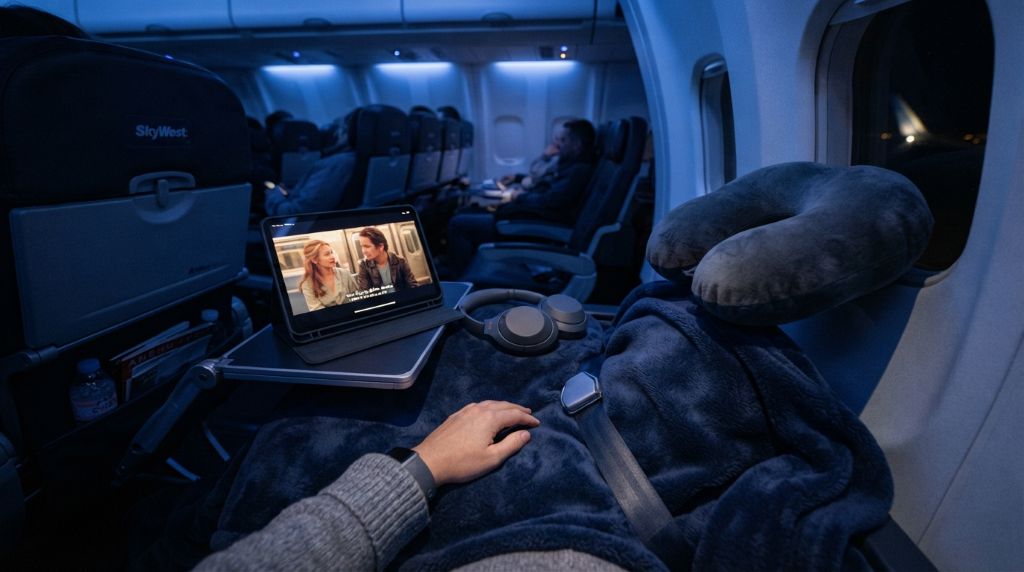
26 Sep Ways to Make Long-Distance Travel More Comfortable
Key Takeaways
- Sleep science, not just legroom, plays a major role in flight comfort.
- Movement and light exposure both help reduce jet lag significantly.
- More than half of travelers use earplugs or noise-canceling headphones.
- Getting sunlight after arrival remains one of the most effective jet lag remedies.
- Small preparation steps often matter more than expensive comfort upgrades.
Long-distance travel can leave you feeling exhausted, even in premium seating. Comfort during these trips involves more than just legroom or entertainment options. Recent research highlighted by travel authority BeReviewers shows biology plays a bigger role than most travelers realize. In this article, we will explore practical ways to make long-distance travel more comfortable. We will also share useful research, actionable tips, and answers to common questions.
Why Long-Haul Comfort Involves More Than Seating
Airlines have spent years improving physical comfort on long-haul flights. However, bigger seats and better meals have not fully solved traveler fatigue. Understanding why reveals important insights for improving your own travel comfort.
Research increasingly points to biology as the missing piece. Comfort on ultra-long-haul flights largely comes down to sleep science and circadian rhythms rather than cabin upgrades alone. This finding reshapes how travelers should think about long-distance comfort.
Extensive research supports this biological focus. Researchers from the University of Sydney’s Charles Perkins Centre studied passengers during real 20-hour research flights. They tracked sleep patterns, alertness, and movement using wearable technology throughout each journey.
The results were revealing. Passengers following a tailored lighting, meal, and sleep schedule experienced less severe jet lag afterward. Additionally, they reported better in-flight sleep quality and improved cognitive performance for two days after landing. This shows structured routines matter significantly during long flights.
Interestingly, movement patterns also affected outcomes. Passengers who maintained a normal in-flight routine, rather than moving around excessively, often experienced less jet lag. Therefore, comfort involves a careful balance between rest, movement, and light exposure, not just physical seating comfort alone.
Time Your Light Exposure Carefully
Light exposure plays a surprisingly powerful role in long-distance travel comfort. Your body’s internal clock relies heavily on light cues to regulate sleep and alertness. Therefore, managing light exposure strategically can significantly reduce jet lag symptoms.
Research on ultra-long-haul flights highlights this connection clearly. Specially designed lighting sequences during flights were shown to improve traveler wellbeing in preliminary studies. This shows lighting can be intentionally used to help align your body clock with your destination.
Cabin lighting design has evolved based on these findings. Newer aircraft designs incorporate soft, diffused lighting intended to reduce stress and encourage gentle movement. This approach reflects growing recognition that light directly influences passenger comfort and recovery.
Sunlight exposure after landing matters just as much as in-flight lighting. Getting outside into natural sunlight upon arrival remains one of the most effective ways to reset your body clock. However, research shows fewer than half of travelers actually make this effort consistently.
Here are simple tips for managing light exposure:
- Dim your device screens during your flight’s designated sleep period.
- Use an eye mask if cabin lighting doesn’t match your sleep schedule.
- Get outside into natural sunlight soon after arrival.
- Avoid bright screens immediately before attempting to sleep in-flight.
Managing light exposure thoughtfully helps your body adjust more smoothly to new time zones.
Maintain a Consistent In-Flight Routine
Maintaining routine during long flights appears to reduce jet lag more than expected. Many travelers assume moving around frequently helps with comfort. However, research suggests a different pattern may work better for some travelers.
One notable case involved a passenger who remained seated for an entire 17-hour flight. Researchers found that passengers who maintained a normal routine in-flight were less likely to experience jet lag. This was compared to passengers who moved around the cabin more frequently during the same flight.
This finding challenges common travel advice about constant movement. However, complete inactivity is not necessarily the goal either. Instead, the research suggests consistency, aligning behavior with your intended sleep schedule, matters more than movement alone.
Sleep timing appears particularly important during long flights. Following a designed sleep schedule aligned with your destination’s time zone can improve overall outcomes. Additionally, this consistency helps your body begin adjusting before you even land.
Here are tips for maintaining a helpful in-flight routine:
- Try to sleep according to your destination’s time zone, not your origin.
- Avoid excessive movement that disrupts your rest schedule.
- Stick to consistent meal timing aligned with your sleep plan.
- Limit stimulants like caffeine close to your planned sleep period.
A consistent routine helps your body adjust more efficiently during long-distance travel.
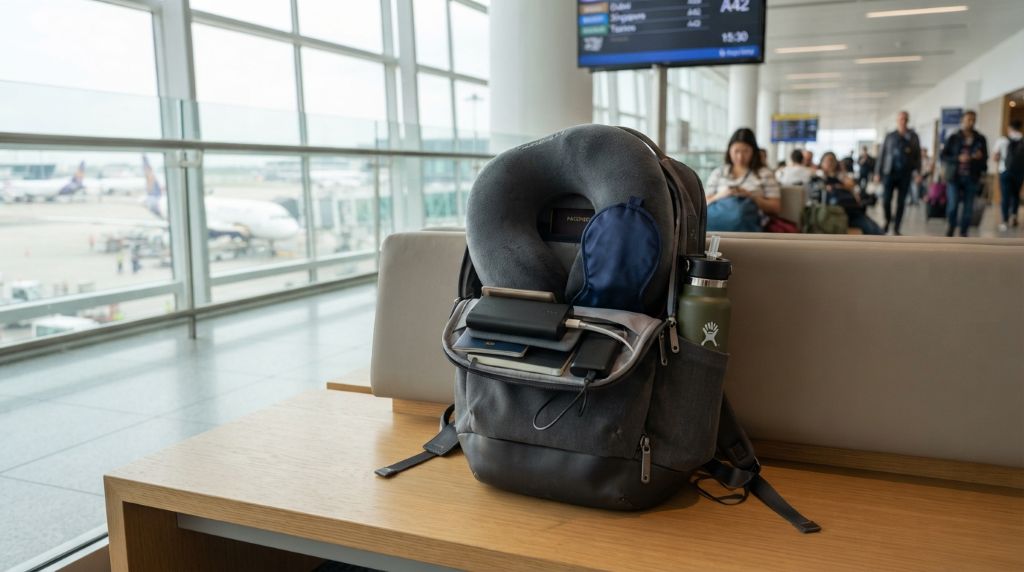
Use Comfort Tools That Actually Help
Many travelers rely on specific tools to improve comfort during long flights. Choosing the right tools can meaningfully reduce discomfort and support better rest. Therefore, understanding which tools genuinely help matters more than buying every available option.
Research into passenger habits reveals common comfort strategies. More than half of surveyed travelers used earplugs or noise-canceling headsets to help them sleep during long flights. This shows how much sound management matters for in-flight rest.
However, not every common strategy proves equally effective. Some travelers reported drinking alcohol or taking sleeping pills to cope with long flights. Sleep researchers have noted that many popular strategies are not actually the most effective ways to reduce jet lag. Therefore, comfort tools should be chosen carefully, not just based on habit.
Physical comfort items also play a meaningful role. Supportive travel pillows and comfortable clothing reduce physical strain during extended sitting. Additionally, compression socks can help improve circulation during very long flights.
Here are comfort tools worth considering for long flights:
- Noise-canceling headphones or quality earplugs for better rest.
- A supportive travel pillow suited to your preferred sleep position.
- Comfortable, breathable clothing appropriate for cabin temperatures.
- Compression socks to support circulation during extended sitting.
Choosing evidence-based comfort tools improves rest more reliably than habit-based choices alone.
Prioritize Nutrition and Hydration
Nutrition and hydration significantly affect comfort during long-distance travel. Many travelers overlook these factors in favor of entertainment or seating comfort. However, research shows food choices can meaningfully influence recovery afterward.
Specific ingredients have shown promise in jet lag research. Studies found that specific foods and ingredients during long-haul flights contributed to improved traveler well-being. This suggests that thoughtful meal choices support the body’s recovery process more than previously assumed.
Post-flight nutrition also plays an important recovery role. Many travelers who chose healthier food options at their destination reported better recovery afterward. This shows that nutrition matters both during and after long flights, not just in-flight alone.
Hydration remains equally important throughout long-distance travel. Cabin air tends to be extremely dry, which can worsen fatigue and discomfort. Therefore, staying properly hydrated throughout your journey supports both comfort and faster recovery.
Here are quick nutrition and hydration tips for long flights:
- Drink water regularly throughout your flight, not just when thirsty.
- Limit alcohol and caffeine, which can worsen dehydration.
- Choose lighter, balanced meals during your flight when possible.
- Prioritize healthy food choices immediately after arrival.
Thoughtful nutrition choices support smoother recovery after long-distance travel.
Plan Recovery Time After Arrival
Recovery planning after landing matters just as much as in-flight comfort strategies. Many travelers underestimate how long their body needs to adjust after long-distance travel. Therefore, building recovery time into your schedule supports better overall comfort.
Complete jet lag prevention remains unrealistic, even with careful planning. Experts acknowledge that jet lag cannot be entirely avoided, even with scientific preparation. However, applying research-based strategies can meaningfully ease its impact on travelers.
Building buffer time into your schedule helps manage expectations realistically. Avoiding important commitments immediately after a long flight allows your body time to adjust. Additionally, light activity, rather than complete rest, often supports faster recovery.
Sunlight exposure remains one of the most effective post-arrival strategies. Spending time outdoors during daylight hours helps reset your internal body clock more quickly. Therefore, prioritizing this simple habit supports smoother adjustment to your new time zone.
Here are tips for planning post-arrival recovery:
- Avoid scheduling important activities immediately after landing.
- Spend time outdoors in natural sunlight upon arrival.
- Stay lightly active rather than resting completely.
- Maintain consistent meal and sleep timing at your destination.
Planning realistic recovery time helps you adjust more comfortably after long-distance travel.
Conclusion
Making long-distance travel more comfortable involves more than upgrading your seat. Managing light exposure, maintaining routine, and choosing effective comfort tools all support better rest. For travelers focused on how to travel with limited resources, planning ahead and making practical choices can also help manage comfort without unnecessary expenses. Prioritizing nutrition, hydration, and post-arrival recovery further improves overall comfort. Together, these evidence-based strategies help reduce the physical toll of long journeys.
As long-haul travel continues growing in popularity, comfort-focused preparation matters more than ever. Consider trying a few of these research-backed strategies on your next trip. Small, informed choices can make a significant difference in how you feel upon arrival.
Frequently Asked Questions
What is the most effective way to reduce jet lag after landing?
Getting outside into natural sunlight soon after arrival remains one of the most effective strategies.
Does moving around during a flight actually help with jet lag?
Not necessarily. Research suggests maintaining a consistent routine may matter more than frequent movement.
Are sleeping pills a good strategy for long flights?
Not typically recommended by researchers. Light exposure and routine consistency tend to work better.
How important is hydration during long-distance flights?
Very important. Cabin air is extremely dry, which can worsen fatigue and discomfort significantly.
Can jet lag be completely avoided with the right preparation?
No, but research-based strategies can meaningfully reduce its severity and speed up recovery.
No Comments