

06 Aug Discovering Ethical Elephant Tourism: Your Complete Guide to the Best Elephant Sanctuary in Chiang Mai
Picture this: you’re standing mere feet away from a gentle giant, watching as she delicately picks up a banana with her trunk and carefully places it in her mouth. Her eyes seem to hold decades of wisdom, and for a moment, you feel a profound connection with one of nature’s most magnificent creatures. This magical experience awaits you at Chiang Mai’s ethical elephant sanctuaries, where conservation meets compassion in the heart of Northern Thailand.
The elephant tourism industry in Thailand has undergone a remarkable transformation in recent years. Gone are the days when riding elephants or watching them perform tricks was considered acceptable entertainment. Today, responsible travelers seek authentic experiences that prioritize animal welfare while supporting conservation efforts. Chiang Mai, with its lush mountains and rich cultural heritage, has become the epicenter of ethical elephant tourism in Southeast Asia.
What Makes an Elephant Sanctuary Truly Ethical?
Before diving into specific recommendations, it’s crucial to understand what separates a genuine elephant sanctuary from a tourist trap disguised as conservation. Authentic elephant sanctuaries in Chiang Mai share several key characteristics that ensure the wellbeing of these magnificent animals.
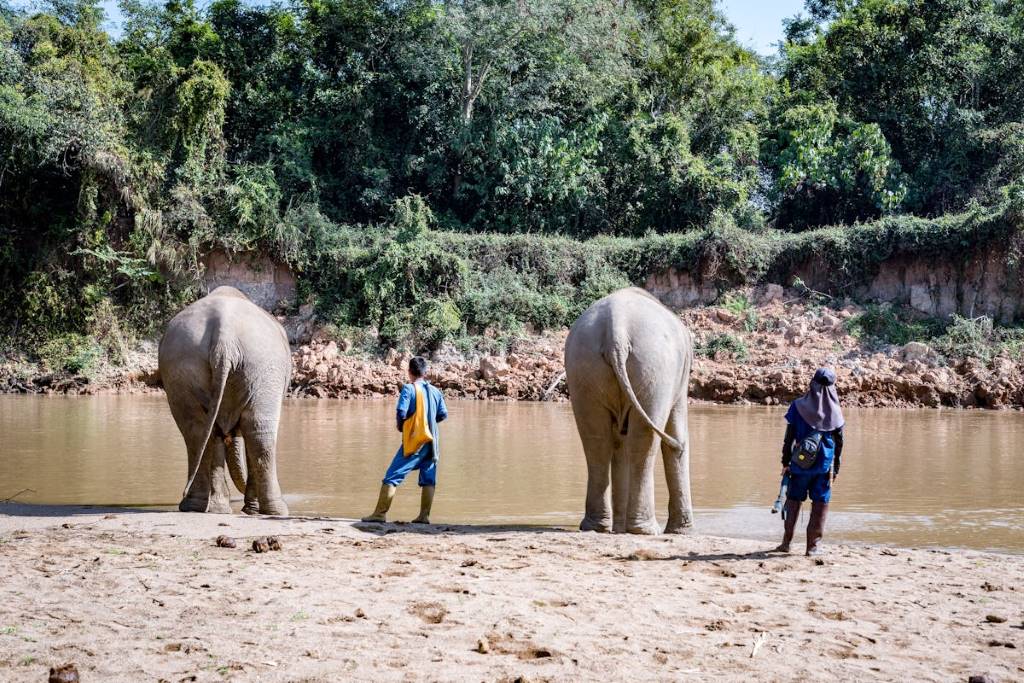
True sanctuaries prioritize elephant welfare above profit. These facilities rescue elephants from harsh working conditions in logging camps, street begging, or exploitative tourism operations. The elephants roam freely in natural environments, socialize with their herds, and exhibit natural behaviors like mud bathing, foraging, and playing in water.
Ethical sanctuaries never offer elephant rides or force animals to perform tricks for entertainment. Instead, they focus on observation-based experiences where visitors can watch elephants in their natural habitat while learning about conservation efforts. These facilities also maintain transparency about their rescue stories, veterinary care, and daily operations.
Staff at reputable sanctuaries are knowledgeable about elephant behavior and conservation. They provide educational programs that teach visitors about the challenges facing Asian elephants, including habitat loss, human-elephant conflict, and the dark side of elephant tourism. This education component transforms a simple tourist activity into a meaningful conservation experience.
Top Elephant Sanctuaries in Chiang Mai
Elephant Nature Park: The Pioneer of Ethical Elephant Tourism
Elephant Nature Park stands as the gold standard for ethical elephant experiences in Northern Thailand. Founded by Sangduen “Lek” Chailert, this sanctuary has rescued over 80 elephants from various forms of exploitation since 1995. Located about 60 kilometers north of Chiang Mai city, the park spans 250 acres of lush valleys and mountains.
What sets Elephant Nature Park apart is its genuine commitment to elephant welfare and conservation education. Visitors can observe rescued elephants roaming freely in family groups, bathing in the river, and interacting naturally with their environment. The park offers various programs, from day visits to multi-day volunteer experiences, allowing guests to contribute directly to elephant care.
The facility houses elephants with diverse backgrounds, including former logging elephants, circus performers, and street begging animals. Many have physical disabilities or emotional trauma from their previous lives, making their rehabilitation stories particularly moving. The park’s veterinary team provides ongoing medical care, while mahouts (elephant caretakers) who once worked in exploitative industries have been retrained in ethical elephant management.
Phuket Elephant Sanctuary: A Model of Rehabilitation

Though technically not in Chiang Mai, Phuket Elephant Sanctuary deserves mention as it follows the same ethical principles and has established a sister location in Northern Thailand. This sanctuary focuses exclusively on retired elephants from the tourism and logging industries, providing them with a peaceful retirement in a natural environment.
The sanctuary’s approach emphasizes minimal human interference, allowing elephants to behave naturally while still receiving necessary care. Visitors observe from designated platforms and walking paths, maintaining respectful distances that don’t stress the animals. The educational programs here are particularly comprehensive, covering topics from elephant biology to conservation challenges across Asia.
Boon Lott’s Elephant Sanctuary: Intimate and Educational
For those seeking a more intimate experience, Boon Lott’s Elephant Sanctuary offers small group visits that provide deeper insights into elephant behavior and conservation. This facility focuses on rescued elephants that were previously used in trekking and logging operations throughout Northern Thailand.
The sanctuary’s approach combines observation with hands-on learning opportunities. Visitors can participate in preparing elephant food, learning about their dietary needs and natural foraging behaviors. The facility also maintains extensive records of each elephant’s history, sharing these stories to illustrate the broader issues facing Asian elephants.
Read Also:
The Ultimate Guide to Choosing the Best Travel Insurance for International Travel
Building a Safe Teen Campfire: Essential Steps for Memorable And Secure Outdoor Fun
Planning Your Ethical Elephant Experience
Choosing the Right Program
Most reputable elephant sanctuaries in Chiang Mai offer various program options to accommodate different interests and time constraints. Day visits typically include transportation from Chiang Mai city, elephant observation, feeding experiences, and educational presentations. These programs usually last 6-8 hours and provide a comprehensive introduction to ethical elephant tourism.
For travelers seeking deeper engagement, overnight programs allow extended observation of elephant behavior, including evening and early morning activities when these animals are most active. Multi-day volunteer programs offer the most immersive experience, involving visitors in daily care routines, food preparation, and habitat maintenance.
What to Expect During Your Visit
A typical day at an ethical elephant sanctuary begins with an educational presentation about Asian elephants and the facility’s conservation mission. Guides explain the backgrounds of individual elephants, their rescue stories, and ongoing rehabilitation efforts. This context helps visitors understand the significance of their experience and the importance of supporting ethical tourism.
Feeding time provides opportunities to observe elephant behavior up close while maintaining safe distances. Visitors typically help prepare fruit and vegetables, learning about elephant dietary requirements and natural feeding behaviors. Watching elephants use their trunks with incredible dexterity to select and consume food offers insights into their intelligence and adaptability.
Bath time at the sanctuary’s river or mud wallows provides some of the most memorable moments. Elephants demonstrate their playful nature as they splash, roll, and socialize in the water. These activities are entirely voluntary, with elephants free to participate or continue foraging nearby.
Practical Considerations for Your Visit
When planning your elephant sanctuary experience, consider the seasonal variations in Northern Thailand’s climate. The cool season (November to February) offers the most comfortable weather for both visitors and elephants, while the hot season (March to May) can be challenging for extended outdoor activities. The rainy season (June to October) brings lush green landscapes but may limit some activities due to muddy conditions.
Most sanctuaries provide transportation from Chiang Mai city, though some require advance booking due to limited daily visitor numbers. This restriction helps maintain a calm environment for the elephants while ensuring each visitor receives adequate attention from guides and staff.
Appropriate clothing is essential for sanctuary visits. Long pants and closed-toe shoes protect against insects and rough terrain, while light, breathable fabrics help manage Thailand’s tropical climate. Many sanctuaries provide traditional mahout clothing for feeding and bathing activities, adding an authentic touch to the experience.
Supporting Conservation Through Responsible Tourism
Visiting ethical elephant sanctuaries represents more than just a tourist activity; it’s a direct contribution to conservation efforts across Southeast Asia. The revenue from responsible elephant tourism funds rescue operations, veterinary care, and educational programs that benefit elephants throughout the region.
Many sanctuaries also support local communities by employing former mahouts, guides, and support staff from nearby villages. This economic impact helps reduce human-elephant conflict by providing alternative livelihoods that don’t involve exploiting these magnificent animals.
The educational component of sanctuary visits extends far beyond the immediate experience. Visitors become ambassadors for elephant conservation, sharing their knowledge and passion with friends, family, and fellow travelers. This ripple effect helps build global awareness about the challenges facing Asian elephants and the importance of supporting ethical tourism initiatives.
Making a Lasting Impact
Your elephant sanctuary experience doesn’t end when you return to Chiang Mai city. Many facilities offer adoption programs where visitors can sponsor specific elephants, contributing to their ongoing care and medical needs. These programs provide regular updates about sponsored elephants, creating lasting connections between visitors and the conservation cause.
Social media provides powerful platforms for sharing ethical elephant tourism experiences. Posting photos and stories from your sanctuary visit helps promote responsible tourism while educating others about the importance of avoiding exploitative elephant attractions. However, remember to follow sanctuary guidelines about photography and social media sharing to ensure your posts support rather than compromise animal welfare.
Consider extending your conservation impact by supporting other ethical wildlife experiences throughout Thailand and Southeast Asia. Research and choose tour operators, accommodations, and activities that prioritize animal welfare and environmental sustainability. Your consumer choices send powerful messages about the type of tourism development you want to support.
Ready to Create Meaningful Memories?
The best elephant sanctuary experience in Chiang Mai awaits those who prioritize animal welfare over entertainment. By choosing ethical facilities that focus on conservation, education, and rehabilitation, you’ll create memories that last a lifetime while supporting crucial conservation efforts.
Ready to embark on your ethical elephant adventure? Research sanctuary options that align with your values, book your experience with a reputable facility, and prepare for an encounter that will deepen your appreciation for these incredible animals. Your visit supports not just the elephants you’ll meet, but conservation efforts that protect Asian elephants across their range.
Don’t just be a tourist—become a conservation advocate. Book your ethical elephant sanctuary experience today and join the growing movement of travelers who believe that the best wildlife encounters prioritize animal welfare above all else. Your unforgettable elephant encounter awaits in the mountains of Northern Thailand.
No Comments