

18 Mar Ultimate Guide to Things to See in Seville, Spain
Seville, the capital of Andalusia, is a city brimming with history, culture, and vibrant energy. Known for its stunning architecture, flamenco dancing, and mouthwatering tapas, Seville is a must-visit destination in Spain. According to a 2022 report by the Spanish National Tourist Office, Seville welcomed over 2.5 million international tourists, making it one of the most popular cities in the country. This guide will take you through the top things to see in Seville, including a detailed route plan, estimated costs, and essential do’s and don’ts. Whether you’re a history buff, a foodie, or a casual traveler, this blog post will help you make the most of your trip.
Top Things to See in Seville
1. The Majestic Seville Cathedral and La Giralda
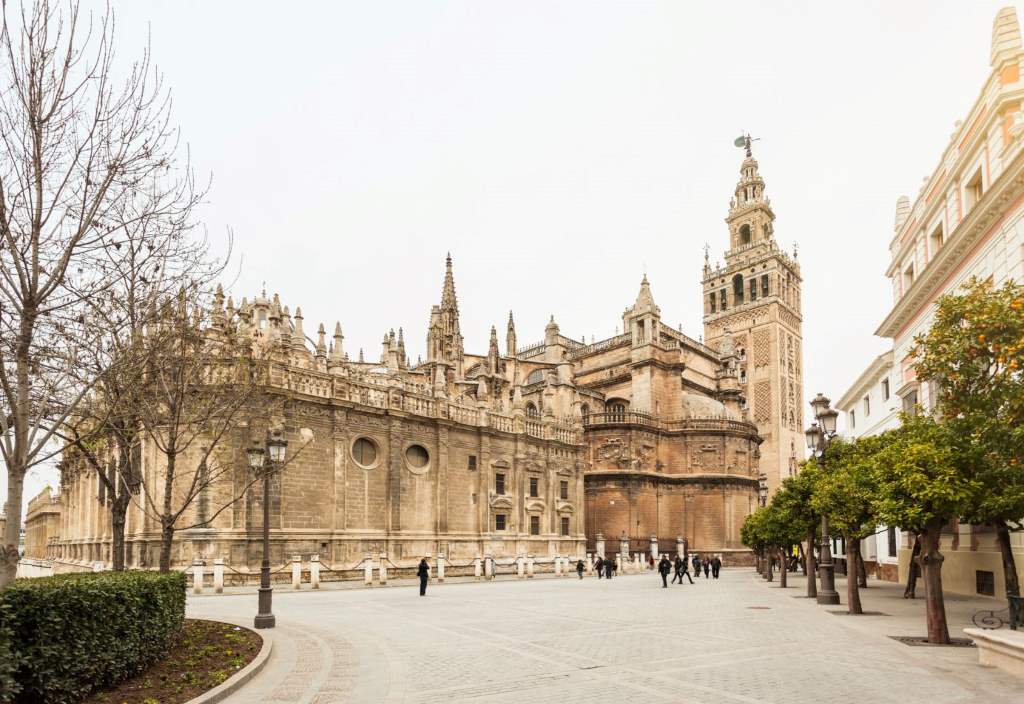
Seville Cathedral, a UNESCO World Heritage Site, is the largest Gothic cathedral in the world. Its iconic bell tower, La Giralda, offers breathtaking views of the city. According to a study by the University of Seville, the cathedral attracts over 1 million visitors annually.
- Cost: €11 for adults, free for children under 14.
- Tip: Visit early in the morning to avoid crowds.
- Don’t Miss: The tomb of Christopher Columbus inside the cathedral.
2. The Royal Alcázar of Seville
This stunning palace complex is a blend of Moorish and Christian architectural styles. The Alcázar is still used by the Spanish royal family, making it one of the oldest functioning palaces in Europe.
- Cost: €13.50 for adults, free on Mondays from 4 PM.
- Tip: Book tickets online to skip the long queues.
- Don’t Miss: The lush gardens and intricate tilework.
3. Plaza de España
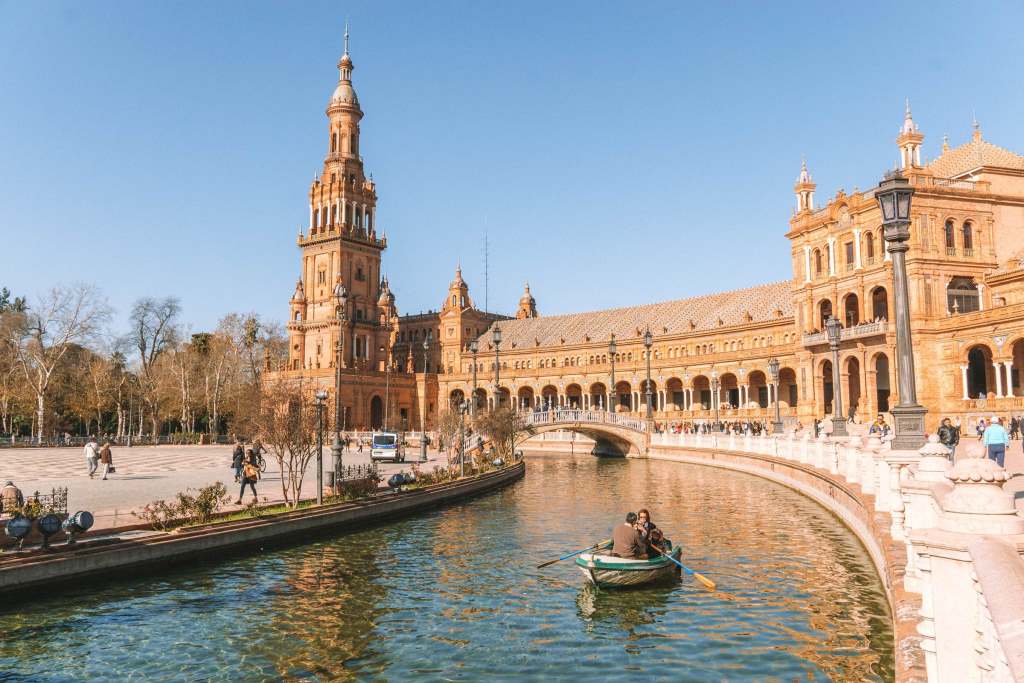
Built for the 1929 Ibero-American Exposition, Plaza de España is a masterpiece of Renaissance Revival architecture. The semi-circular building features a canal where you can rent rowboats.
- Cost: Free to enter; rowboat rental costs €6 for 35 minutes.
- Tip: Visit during sunset for stunning photo opportunities.
- Don’t Miss: The tiled alcoves representing different Spanish provinces.
4. Barrio Santa Cruz

This historic Jewish quarter is a maze of narrow streets, whitewashed houses, and charming plazas. It’s the perfect place to wander and soak in Seville’s authentic atmosphere.
- Cost: Free to explore.
- Tip: Stop by a local tapas bar for authentic Andalusian cuisine.
- Don’t Miss: The hidden patios adorned with colorful flowers.
5. Metropol Parasol (Las Setas)
Known as “The Mushrooms,” this modern wooden structure offers a unique contrast to Seville’s historic architecture. The rooftop walkway provides panoramic views of the city.
- Cost: €15 for access to the walkway and a complimentary drink.
- Tip: Visit at night for a magical view of the illuminated city.
- Don’t Miss: The archaeological museum located beneath the structure.
Discover Discover the Best Microclimate Hiking Trails.
Suggested Route Plan for 3 Days in Seville
Day 1: Historic Seville
- Morning: Seville Cathedral and La Giralda.
- Afternoon: Royal Alcázar and Barrio Santa Cruz.
- Evening: Dinner at a traditional tapas bar.
2: Cultural Seville
- Morning: Plaza de España and Maria Luisa Park.
- Afternoon: Flamenco show at Museo del Baile Flamenco.
- Evening: Stroll along the Guadalquivir River.
3: Modern Seville
- Morning: Metropol Parasol and local markets.
- Afternoon: Triana District for pottery and local crafts.
- Evening: Sunset at Torre del Oro.
Estimated Costs for a Trip to Seville
Accommodation
- Budget: €30–€50 per night for hostels.
- Mid-range: €70–€120 per night for 3-star hotels.
- Luxury: €150+ per night for 5-star hotels.
Food and Drink
- Tapas: €2–€5 per dish.
- Meals at mid-range restaurants: €15–€25 per person.
- Local beer: €2–€3.
Transportation
- Public transport: €1.40 per ride.
- Taxi: €10–€15 for short distances.
- Bike rental: €12 per day.
Do’s and Don’ts in Seville
To Do’s
- Do try local dishes like gazpacho and salmorejo.
- Do carry cash, as some smaller establishments don’t accept cards.
- Do respect siesta time (2 PM–5 PM) when many shops close.
Don’ts
- Don’t wear flip-flops or beachwear in religious sites.
- Don’t rush through meals; dining is a leisurely experience in Spain.
- Don’t forget to stay hydrated, especially during summer.
Conclusion
Seville is a city that captivates every traveler with its rich history, vibrant culture, and warm hospitality. From the awe-inspiring Seville Cathedral to the modern Metropol Parasol, there’s something for everyone. Plan your trip using this guide, and you’re sure to have an unforgettable experience.
Loved this guide? Share it with your friends, leave a comment below, or explore our other travel blogs for more inspiration!
FAQs
What is the best time to visit Seville?
The best time to visit Seville is during spring (March–May) or fall (September–November) when the weather is pleasant.
How many days are enough to explore Seville?
Three to four days are ideal to explore Seville’s major attractions and soak in its culture.
Is Seville safe for tourists?
Yes, Seville is generally safe for tourists. However, always be cautious of pickpockets in crowded areas.
Can I visit Seville on a budget?
Absolutely! Seville offers plenty of free or low-cost attractions, affordable tapas, and budget accommodations.
What is Seville famous for?
Seville is famous for its flamenco dancing, historic landmarks like the Seville Cathedral, and vibrant festivals like Semana Santa.
No Comments