
26 Feb Discover the Best Microclimate Hiking Trails: A Unique Experience Awaits
When you hear the word “hiking,” you probably envision a wide, sun-drenched path with views that stretch as far as the eye can see. However, there’s a fascinating and lesser-known aspect to hiking that adds an entire new layer of adventure: microclimate hiking trails. These trails offer a wide variety of ecosystems and weather conditions, often within short distances. Imagine walking from a dense, foggy forest into a sunlit, dry hilltop within an hour—this is the power of microclimates.
Microclimates are essentially small, localized weather zones that differ from the general climate of the surrounding area. They can occur due to topography, elevation, proximity to water, or even the direction the slope faces. Microclimate hiking trails allow outdoor enthusiasts to experience multiple climates in one hike, which is why they have become increasingly popular.
What Are Microclimates and Why Do They Matter to Hikers?
Microclimates play an essential role in the biodiversity of an area. A single hike can pass through several microclimates, each with distinct flora, fauna, and weather patterns. For hikers, this is an incredible opportunity to witness nature’s diversity up close.
A microclimate hiking trail might take you through temperate rainforests, alpine meadows, desert scrublands, or even marshy wetlands, each offering a unique experience. In fact, some trails may change dramatically as you ascend or descend, with temperature shifts and varying precipitation levels that can make the hike feel entirely different at every stage.
Key Features of Microclimate Hiking Trails
1. Diverse Ecosystems in One Trail
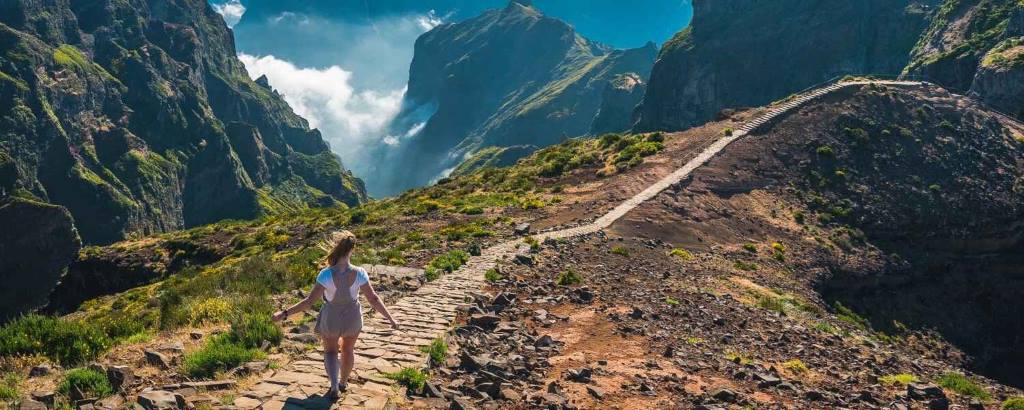
Microclimates introduce hikers to various ecosystems on a single trail. A hike through a mountainous region can showcase forests, alpine meadows, and rock-strewn ridgelines, often within the same day. Each of these habitats supports different types of wildlife, plants, and conditions. For example, the dense, misty air of a forested microclimate can be replaced by a dry, open grassland as the trail climbs in elevation.
2. Unexpected Weather Conditions
Hiking through microclimates means you may experience a wide range of weather conditions, even on the same trail. You could start the hike with the warm sun on your back, only to be enveloped in a cool breeze or light rain as you enter a shaded valley or a foggy lake region. For this reason, it’s essential to be prepared for sudden changes in weather.
3. Opportunities for Wildlife Observation
Different microclimates support different wildlife. In a coastal microclimate, you may encounter seabirds and marine animals. An inland forest might host deer, squirrels, and rare insects, while a high-altitude trail might reveal mountain goats or rare alpine plants. The variations in weather and habitat make microclimate hiking trails ideal for nature enthusiasts.
Popular Microclimate Hiking Trails Around the World

Several trails across the globe are famous for their distinct microclimates. These trails offer hikers the opportunity to experience the best of nature’s diverse climates. Here are some of the most renowned ones:
1. The Pacific Crest Trail, USA
The Pacific Crest Trail is a long-distance trail running from the Mexican border through California, Oregon, and Washington. As it stretches over 2,650 miles, the trail passes through various microclimates. In California, hikers move from desert landscapes into towering forests, and later ascend into snow-capped mountains in the north. The diversity in ecosystems is remarkable and constantly changing.
2. Torres del Paine, Chile
Located in the southern Patagonian region, Torres del Paine National Park offers diverse weather patterns. The trail features everything from vast, open grasslands to steep, rocky mountain climbs. The weather in Torres del Paine can change rapidly, and hikers often experience four seasons in one day. It’s a great example of how microclimates can offer an ever-changing hiking adventure.
3. The Inca Trail, Peru
The Inca Trail is one of the world’s most famous hiking routes. As hikers ascend from the Amazon Basin to the highlands of Peru, they pass through several distinct microclimates. From humid tropical forests to the arid terrain around Machu Picchu, each stage of the trail showcases different weather conditions and ecosystems.
4. The Drakensberg Mountains, South Africa
The Drakensberg Mountains in South Africa boast a variety of climates due to their rugged terrain and high altitudes. The mountains themselves are often mist-covered, and within minutes, hikers can go from temperate forest regions to icy peaks. The diversity of plant and animal life found along the trails makes this one of the most rewarding hikes in the world. For those planning a trip, what to see in Venice is just as dynamic, with its unique blend of historic architecture, vibrant canals, and artistic landmarks offering a completely different yet equally captivating experience. Whether it’s the majesty of the Drakensberg or the enchanting streets of Venice, both destinations offer unforgettable moments to explore.
Planning Your Hike on Microclimate Trails
1. Check the Weather Forecast Regularly
Due to the unpredictable nature of microclimates, it’s crucial to keep an eye on weather patterns and be prepared for sudden changes. Even if you are starting your hike in sunny weather, storms or fog may quickly roll in. Always check the forecast, but remember that weather patterns can vary greatly along your trail.
2. Dress in Layers
Microclimate hiking often means that the weather changes drastically during your hike. One moment you could be in a warm, sunny environment, and the next in a cool, shaded section. Layering your clothing allows you to adjust to varying conditions, ensuring you’re prepared for any weather situation.
3. Stay Hydrated and Carry Essentials
Since microclimates affect temperature and humidity, it’s important to stay hydrated, especially when moving through areas with high temperatures. Also, carry the essentials, such as sunscreen, rain gear, and enough food to keep your energy levels high throughout the journey.
4. Respect Local Wildlife and Plants
Microclimates host diverse ecosystems, many of which contain delicate and rare species. Hikers should stay on marked trails, avoid disturbing wildlife, and respect all regulations to protect the flora and fauna of these unique environments.
Why Microclimate Hiking Trails Are Gaining Popularity
Microclimate hiking trails are increasingly becoming a popular option for seasoned hikers and nature lovers. The variety of landscapes and ecosystems they offer make them ideal for people who want more than just a standard trail. These trails can be both challenging and rewarding, providing a sense of adventure that goes beyond typical hiking experiences.
1. Unique Experience for Hikers
These trails provide a sense of exploration and discovery, as no two hikes are ever the same. As hikers move through different weather zones, it feels as though they are constantly encountering something new and surprising. This unique experience is one of the key reasons why more and more people are seeking out microclimate hiking trails.
2. Ideal for Biodiversity Enthusiasts
The diverse plant and animal life in these areas is another major draw for hikers. With various ecosystems existing side by side, nature lovers can observe a wide range of species that are often found in very different environments. Whether you’re a birdwatcher, photographer, or simply someone who loves exploring nature, these trails provide endless opportunities for discovery.
3. Escape from the Ordinary
For many hikers, escaping the hustle and bustle of everyday life is the primary motivation. Microclimate trails offer an excellent opportunity to step into worlds that feel remote and untouched. The change in weather, terrain, and ecosystems makes these hikes feel like an escape into an entirely different world.
FAQs
What exactly is a microclimate hiking trail?
A microclimate hiking trail is a hiking path that passes through various weather zones, which could be drastically different from the surrounding area. These changes can occur due to altitude, terrain, or proximity to water.
Why should I hike microclimate trails?
Microclimate trails offer a unique hiking experience, with diverse ecosystems and weather patterns. You can encounter different habitats, wildlife, and climates all in one hike, making the journey more exciting and rewarding.
What should I pack for a microclimate hike?
Always pack layers of clothing to accommodate changing weather conditions. Include sunscreen, rain gear, water, snacks, and any personal items that may be necessary for your hike.
How does a microclimate affect the wildlife on a hiking trail?
Microclimates create diverse habitats, allowing different types of wildlife to thrive. As you move through different climates, you may encounter different species of animals, plants, and insects that thrive in those specific conditions.
Can I hike on a microclimate trail during all seasons?
Yes, but always check the weather before your hike. Microclimate trails can be particularly unpredictable in terms of weather, so it’s essential to prepare accordingly and stay informed of any sudden changes in weather conditions.
Conclusion
Microclimate hiking trails offer a truly distinctive experience for anyone looking to connect with nature. These trails allow you to experience multiple climates, ecosystems, and wildlife all on the same hike, which makes every adventure unique. From the famous Pacific Crest Trail to the rugged Drakensberg Mountains, these trails provide some of the most diverse and exciting hiking experiences available. By understanding what microclimates are and how they affect your hike, you can better prepare for an unforgettable journey.
No Comments