


09 Mar How to Travel and Volunteer Around the World: A Life-Changing Guide
Picture this: waking up to the sound of waves in Costa Rica, spending your morning teaching English to eager children, and your afternoon planting trees in a lush rainforest. This isn’t a fantasy—it’s the reality of volunteer travel, a movement that’s reshaping how we explore the world. In 2025, over 1.6 million people participated in global volunteer programs, according to Volunteer World. Yet, many still believe volunteering abroad is expensive or exclusive.
The truth? Volunteer travel is accessible to anyone with a passion for adventure and a desire to make a difference. It’s not just about giving back—it’s about gaining experiences that money can’t buy. You’ll immerse yourself in new cultures, develop lifelong skills, and create memories that last forever.
This guide dives deep into the world of volunteer travel. We’ll explore how to find the right programs, prepare for your journey, and maximize your impact. Whether you’re a student, a professional, or a retiree, you’ll discover how to turn your wanderlust into meaningful action.
Why Volunteer Travel Is the Ultimate Way to Explore
Volunteer travel offers a unique blend of adventure and purpose. Unlike traditional tourism, it allows you to connect with communities on a deeper level. A study by The International Ecotourism Society found that 85% of volunteer travelers reported a stronger sense of global citizenship. They didn’t just see the world—they became part of it.
Consider the story of Maria, a nurse from Spain. She spent three months volunteering in a clinic in Nepal. “I treated patients, learned about local healthcare challenges, and even picked up some Nepali,” she shares. “It was more rewarding than any vacation I’ve ever taken.”
Volunteering also enhances your resume. Employers value the skills gained—adaptability, problem-solving, and cross-cultural communication. It’s a win-win: you grow personally and professionally while making a tangible difference.
Step 1: Choosing the Right Volunteer Program for You
Not all volunteer programs are created equal. Finding the right fit requires research and self-reflection.
Identify Your Passions and Skills
What causes excite you? Education, wildlife conservation, or community development? Match your interests to programs that align with your skills. If you’re great with kids, teaching or childcare programs are ideal. If you love animals, consider wildlife rehabilitation projects.
Research Program Credibility
Unfortunately, not all programs are ethical. Some exploit volunteers or local communities. Look for transparency: clear mission statements, detailed project descriptions, and reviews from past participants. Websites like GoOverseas and Volunteer Forever provide verified reviews and ratings.
Consider Program Fees
Many programs charge fees to cover accommodation, meals, and project costs. Fees vary widely—from $200 to $2,000 per month. Compare what’s included: some cover flights, while others only provide basic lodging. Use platforms like Workaway or WWOOF for low-cost or free opportunities in exchange for work.
Duration and Commitment
Programs range from one week to a year. Short-term projects offer a taste of volunteer travel, while long-term commitments allow for deeper impact. Think about your schedule and how much time you can dedicate.
Location and Cultural Fit
Do you thrive in bustling cities or remote villages? Research the cultural norms, language, and living conditions of your destination. Some programs offer language classes or cultural orientation to ease your transition.
Step 2: Preparing for Your Volunteer Travel Adventure
Preparation is key to a successful volunteer travel experience. Here’s how to get ready.
Visa and Legal Requirements
Check the visa requirements for your destination. Some countries offer special visas for volunteers. For example, Australia’s Working Holiday Visa allows you to volunteer while exploring the country. Apply early to avoid last-minute stress.
Health and Safety
Visit a travel clinic for necessary vaccinations and health advice. Pack a basic first-aid kit and any prescription medications. Register with your country’s embassy for safety updates. Travel insurance is non-negotiable—ensure it covers volunteer activities.
Packing Smart
Pack light but include essentials: sturdy shoes, weather-appropriate clothing, and a reusable water bottle. If you’re teaching, bring supplies like pens or flashcards. Many programs provide packing lists—use them as a guide.
Cultural Sensitivity
Learn about local customs, dress codes, and taboos. In some cultures, modest clothing is required. In others, certain gestures may be offensive. Showing respect builds trust and enhances your experience.
Financial Planning
Create a budget for your trip. Include program fees, flights, insurance, and spending money. Use budgeting apps to track expenses. Consider fundraising if needed—many volunteers use platforms like GoFundMe to offset costs.
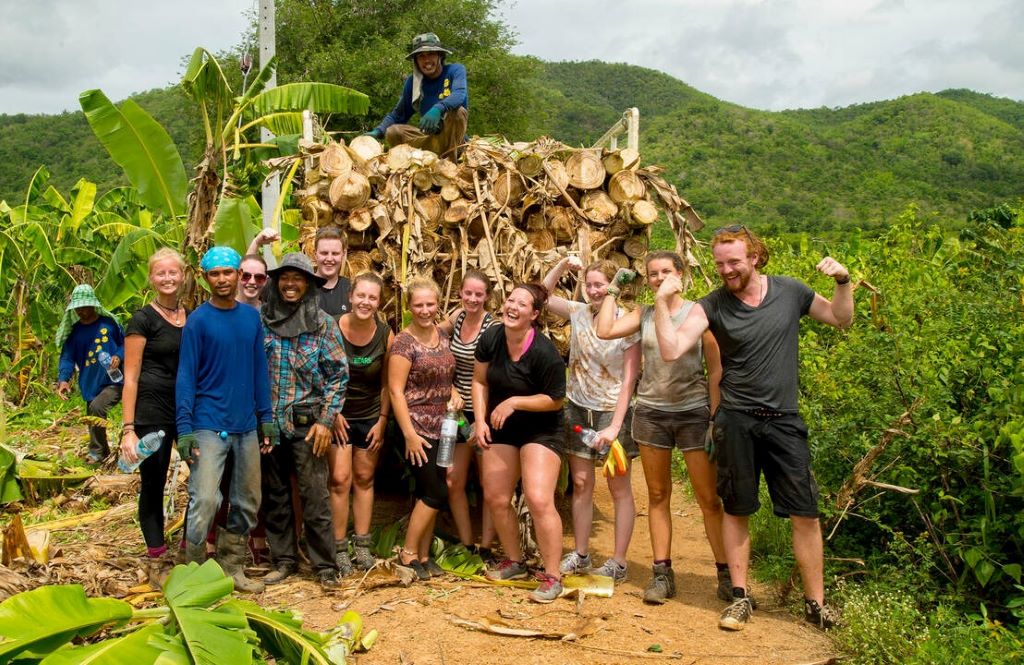
Step 3: Maximizing Your Impact as a Volunteer
Your goal is to make a meaningful difference. Here’s how to ensure your efforts count.
Set Clear Intentions
Ask yourself: What do I hope to achieve? Whether it’s building a school or protecting sea turtles, clarity keeps you focused. Share your goals with the program coordinators—they can help align your tasks accordingly.
Be Open to Learning
You’re there to help, but also to learn. Listen to local experts and community members. Their insights will deepen your understanding of the issues you’re addressing. Humility goes a long way in building strong relationships.
Work Collaboratively
Teamwork amplifies impact. Collaborate with fellow volunteers and local staff. Share ideas, divide tasks, and support each other. A united team can achieve far more than individuals working alone.
Document Your Experience
Keep a journal or blog about your volunteer travel. Documenting your journey helps you reflect on your growth. It also inspires others to get involved. Share stories, photos, and lessons learned—just be mindful of privacy and consent.
Measure Your Impact
Ask for feedback from the program and the community. How has your work contributed to their goals? Seeing tangible results—like a completed classroom or a thriving garden—reinforces the value of your efforts.
Step 4: Balancing Travel and Volunteering
Volunteer travel isn’t all work—it’s also about exploration. Here’s how to balance both.
Plan Weekend Excursions
Use your free time to explore nearby attractions. If you’re volunteering in Peru, visit Machu Picchu on a weekend. In Thailand, take a trip to the islands. Many programs organize group outings, which are great for bonding with fellow volunteers.
Immerse Yourself in Local Culture
Attend festivals, try local foods, and learn traditional dances. Engaging with the culture enriches your experience. It also shows respect and appreciation for your host community.
Travel Responsibly
Choose eco-friendly transportation and support local businesses. Avoid activities that exploit animals or harm the environment. Responsible travel ensures your adventures leave a positive footprint.
Stay Connected
Keep in touch with friends and family back home. Share your experiences through photos, videos, or blog posts. Their support and encouragement will keep you motivated.
Step 5: Overcoming Challenges in Volunteer Travel
Volunteer travel isn’t always easy. Challenges will arise, but they’re part of the journey.
Homesickness and Culture Shock
It’s normal to feel overwhelmed in a new environment. Stay connected with loved ones through video calls. Build a support network with fellow volunteers. Engage in local activities to feel more at home.
Language Barriers
Not speaking the local language can be frustrating. Learn basic phrases before you go. Use translation apps like Google Translate for communication. Locals appreciate the effort, even if you’re not fluent.
Physical and Emotional Fatigue
Volunteering can be physically demanding. Prioritize self-care: get enough rest, eat well, and stay hydrated. If you’re feeling emotionally drained, talk to someone you trust. Many programs offer counseling services.
Unexpected Changes
Plans may change due to weather, political unrest, or other factors. Stay flexible and adaptable. Trust that the program coordinators have your best interests in mind.
Real-Life Stories: Volunteers Who Made a Difference
The Teacher Who Built a Library
James, a retired teacher from the UK, volunteered in Ghana for six months. He noticed the local school lacked books, so he started a fundraising campaign. With donations from friends and family, he built a small library. “Seeing the kids’ faces light up when they saw the books was priceless,” he says.
The Marine Biologist Saving Sea Turtles
Lena, a marine biology student, volunteered in Costa Rica. She worked with a conservation team to protect sea turtle nests. “We patrolled the beaches at night, relocating nests to safe hatcheries,” she recalls. “Releasing the baby turtles into the ocean was the highlight of my trip.”
The Engineer Who Brought Clean Water
David, an engineer from Canada, joined a project in Honduras. He helped install water filtration systems in rural villages. “Access to clean water is a basic human right,” he says. “Knowing I played a part in making that happen is incredibly fulfilling.”
Related Topics:
-
Discovering Ethical Elephant Tourism: Your Complete Guide to the Best Elephant Sanctuary in Chiang Mai
- Best Travel Insurance for International Travel
7 FAQs About Volunteer Travel
1. Do I need experience to volunteer abroad?
Not always. Many programs provide training on-site. However, specialized roles—like medical or construction work—may require relevant skills or certifications.
2. How do I find legitimate volunteer programs?
Use reputable platforms like GoOverseas, Volunteer World, or Idealist. Read reviews, ask for references, and research the organization’s track record.
3. Can I volunteer with my family?
Yes! Many programs welcome families. Look for family-friendly projects with activities suitable for all ages. It’s a fantastic way to bond and teach children about global citizenship.
4. What if I don’t speak the local language?
Language barriers are common. Many programs offer language classes or pair you with a translator. Learning basic phrases shows respect and helps you connect with locals.
5. How much does volunteer travel cost?
Costs vary widely. Some programs are free (in exchange for work), while others charge fees for accommodation and meals. Budget for flights, insurance, and personal expenses.
6. Is volunteer travel safe?
Safety depends on the destination and program. Research the political climate and health risks of your chosen location. Choose programs with strong safety protocols and support systems.
7. Can I volunteer remotely?
Yes! Virtual volunteering is growing in popularity. You can teach English online, assist with digital marketing for nonprofits, or translate documents—all from home.
Conclusion: Your Journey Starts Now
Volunteer travel is more than a trip—it’s a transformative experience. It challenges you, inspires you, and connects you to the world in ways you never imagined. Whether you’re teaching in a remote village, conserving wildlife, or building homes, your efforts create ripples of change.
The world needs more people like you—people willing to step out of their comfort zones and make a difference. So, what are you waiting for? Research programs, pack your bags, and embark on the adventure of a lifetime.
Your journey starts with a single step. Take it today.
No Comments