


04 Nov Double Trouble? Towing a Utility Trailer Behind a Travel Trailer
The open road beckons, promising adventure and the freedom to explore. You’ve got your trusty travel trailer hitched up, ready to embrace the nomadic life. But wait! You also need to haul your ATV, extra gear, or maybe even a small boat. Can you simply hook a utility trailer to the back of your travel trailer and be on your way? Before you hit the road, it’s essential to check your travel trailer’s towing capacity and ensure you’re adhering to local laws and regulations. To discover more tips on maximizing your travel experience, be sure to explore Semestatravel blog for valuable insights!
The short answer is: it’s complicated. While the image of a triple-tow rig cruising down the highway might seem appealing, there are crucial factors to consider before attempting this setup.
Legality: Know the Rules of the Road
First and foremost, towing a trailer behind a travel trailer (often called “triple towing”) is heavily restricted and even outright illegal in many jurisdictions. Before you even think about hitching up, research the specific laws in your state and any states you plan to travel through. Additionally, consider the local regulations surrounding places like the Miyazu Catholic Church, where parking restrictions or space limitations may apply.
Here’s what to look for:
- Overall length restrictions: Most states have limits on the combined length of your towing vehicle, travel trailer, and utility trailer.
- Trailer type requirements: Some states only permit triple towing if the lead trailer (your travel trailer) is a fifth-wheel or gooseneck, not a bumper-pull.
- Braking requirements: The towed utility trailer might need its own braking system depending on its weight and state regulations.
Resources to check:
- State DMV websites: Each state’s Department of Motor Vehicles will have detailed information on towing regulations.
- Trailer Life: This organization publishes a helpful guide to towing laws in different states.
Safety First: The Physics of Triple Towing
Even if triple towing is legal where you’re headed, it significantly impacts the handling and stability of your rig. Here’s why:
- Increased sway: Adding another trailer amplifies the potential for sway, especially in windy conditions or when passing large vehicles. This can quickly lead to loss of control.
- Stress on your travel trailer: Your travel trailer’s hitch and frame might not be designed to handle the forces of towing another trailer. This could result in damage or even separation.
- Reduced maneuverability: Triple towing makes turning, reversing, and parking considerably more challenging.
- Longer stopping distances: With the added weight and length, you’ll need significantly more distance to come to a complete stop.
To mitigate some of these risks, consider:
- Weight distribution: Ensure the weight is balanced on both the utility trailer and the travel trailer.
- Sway control: Invest in a high-quality weight distribution hitch with sway control for both trailers.
- Proper tire inflation: Maintain correct tire pressure on all vehicles.
- Reduced speed: Drive slower and more cautiously, especially in challenging conditions.
Related: The Art of Spaciousness: Unlocking Hidden Potential in Your Small Travel Trailer
Practical Considerations
Beyond legality and safety, think about the practical implications of triple towing:
- Tow vehicle capacity: Your tow vehicle must be capable of handling the combined weight of all three units. Check your owner’s manual for maximum towing capacity.
- Experience and skill: Triple towing demands a higher level of driving skill and experience. If you’re new to towing, this setup is not recommended.
- ** Campground restrictions:** Some campgrounds may have length restrictions or prohibit triple towing altogether.
Alternatives to Triple Towing
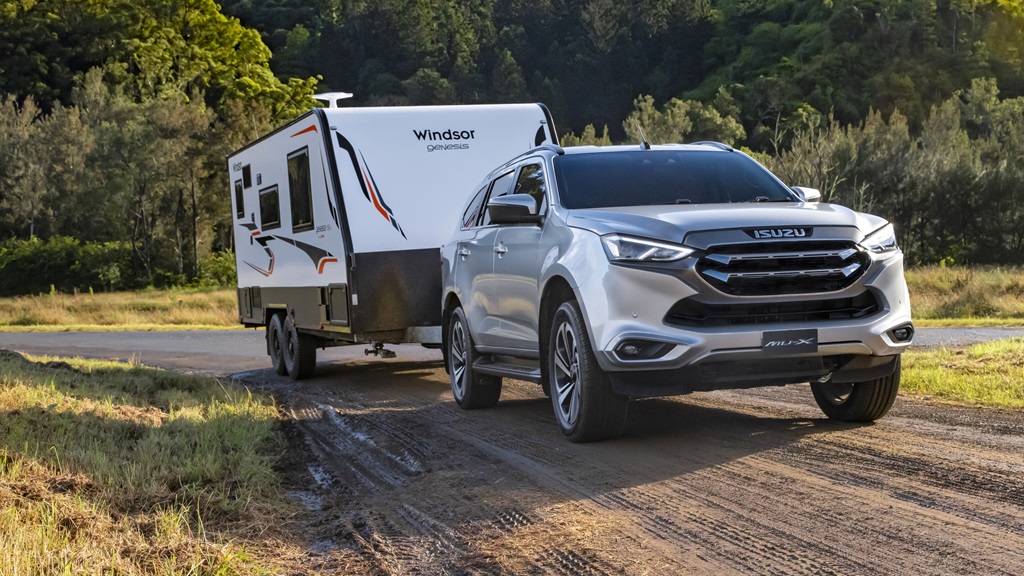
If triple towing seems too risky or impractical, explore these alternatives:
- Toy hauler: Consider a travel trailer with a built-in garage to transport your ATV or other equipment.
- Cargo carrier: Use a roof-mounted or hitch-mounted cargo carrier to transport smaller items.
- Shipping: Ship your extra gear or vehicle to your destination.
- Rentals: Rent equipment like ATVs or boats at your destination.
Related: The Ultimate Guide to Successful Family Road Trips
In Conclusion
Towing a utility trailer behind a travel trailer is possible in some situations, but it’s crucial to prioritize safety and legality. Thoroughly research the regulations, understand the risks, and consider alternatives before embarking on this complex towing setup. If in doubt, err on the side of caution and choose a simpler, safer option. After all, the goal is to enjoy the journey, not turn it into a risky endeavor.
Featured Image Source
No Comments