


28 Feb How to Choose the Best Affordable Luggage Bag for Budget Travel in 2026
Traveling on a budget doesn’t mean you need to sacrifice quality when it comes to your luggage. Finding the right bag can make the difference between a smooth journey and a stressful experience filled with broken zippers and damaged belongings. The good news is that affordable options have improved dramatically in recent years, offering features that once existed only in premium brands.
Many travelers mistakenly believe that cheap luggage will fall apart after one trip. However, numerous manufacturers now produce durable, functional bags at reasonable prices. Understanding what to look for helps you avoid costly mistakes and ensures your investment lasts for many adventures.
This guide will walk you through everything you need to know about selecting a budget travel suitcase that meets your needs without emptying your wallet. You’ll learn which features matter most, what you can safely compromise on, and how to spot quality construction even in affordable options.
Understanding Your Travel Style and Needs
Before diving into specific features, consider how you actually travel. Your needs differ significantly based on trip duration, destination types, and personal preferences. Someone taking weekend city breaks has different requirements than a backpacker spending months abroad.
Think about your typical trip length. Short trips require smaller bags, while extended journeys need more capacity. However, bigger isn’t always better. Oversized luggage becomes a burden when navigating crowded airports or cramped hostel rooms.
Consider the types of destinations you visit most often. Urban travelers need different features than those heading to remote locations. City trips benefit from smooth-rolling wheels, while adventure travel prioritizes durability over ease of movement.
Your packing style also matters. Some people pack light naturally, while others struggle to fit everything they need. Understanding your habits helps you choose appropriate size and organization features. Additionally, think about whether you prefer checking bags or carrying everything onboard.
Essential Features Worth Prioritizing
When working with a limited budget, knowing which features deserve priority saves you from wasting money on unnecessary bells and whistles. Focus on elements that directly impact functionality and durability rather than cosmetic details.
Wheel quality makes an enormous difference in your travel experience. Even budget travel suitcase options should have decent wheels that roll smoothly and withstand regular use. Look for spinner wheels that rotate 360 degrees, making navigation through airports significantly easier. Check that wheels are securely attached and somewhat recessed into the bag body to prevent damage.
Zipper construction determines how long your luggage survives. This component fails most often on cheap bags. Examine zippers closely, looking for sturdy teeth and smooth operation. YKK zippers are industry standards for reliability. Double zippers that meet in the middle provide both security and convenient access.
Handle systems need careful evaluation. Telescoping handles should extend and retract smoothly without wobbling. Test the mechanism several times before purchasing. Top and side handles should feel comfortable and be securely attached. Remember that you’ll grab these handles hundreds of times during your travels.
Shell material affects both weight and durability. Hard shells protect contents better but add weight. Soft-sided bags offer more flexibility and external pockets but provide less protection. For low cost luggage, polycarbonate or ABS plastic provides good hard-shell options, while ballistic nylon works well for soft-sided choices.
Size Considerations for Different Travel Scenarios
Choosing the right size prevents both overpacking and the frustration of insufficient space. Airlines have specific size restrictions, and budget carriers enforce these limits strictly with expensive fees for violations.
Carry-on dimensions vary by airline but generally measure around 22 x 14 x 9 inches. This size works perfectly for trips up to five days for efficient packers. Always check your specific airline’s requirements before purchasing, as some budget carriers have tighter restrictions. A bag that fits one airline might incur fees on another.
Medium checked bags typically measure 24 to 26 inches in height. These bags suit week-long trips and provide enough space for most travelers without becoming unwieldy. They’re easier to lift than larger options and often stay under weight limits more easily.
Large checked bags exceed 28 inches and work for extended trips or those traveling with family. However, they become heavy quickly and can be difficult to maneuver. Consider whether you truly need this size or if multiple smaller bags would serve better.
Expandable features add flexibility to your luggage. Many budget-friendly options include zippered expansion that adds extra capacity when needed. This feature proves valuable for return trips when you’ve acquired souvenirs or for varying trip lengths.
Material Durability on a Budget
Understanding materials helps you identify quality construction even in affordable price ranges. Different materials offer various advantages, and knowing these differences prevents disappointment.
Polycarbonate hard shells provide excellent impact resistance while remaining relatively lightweight. This material flexes slightly under pressure rather than cracking, making it superior to older hard plastic options. Many affordable brands now use polycarbonate, bringing this premium material to budget-conscious travelers.
ABS plastic costs less than polycarbonate but still offers decent protection. It’s heavier and more prone to cracking under severe impact. However, for careful travelers who don’t subject luggage to extreme conditions, ABS represents a viable budget option that balances cost and performance.
Polyester fabric dominates the soft-sided luggage market. It’s affordable, lightweight, and reasonably durable. Higher denier numbers indicate thicker, stronger fabric. Look for at least 600-denier polyester in budget options. Additionally, check that seams are reinforced and stitching appears even and tight.
Ballistic nylon offers superior durability to standard polyester and appears increasingly in mid-budget options. Originally developed for military applications, this material resists tears and abrasions exceptionally well. While slightly more expensive, it’s worth considering for long-term value.
Aluminum frames exist in some budget options but add significant weight. They provide excellent protection and often last for decades. However, they’re heavier to carry and may exceed airline weight limits more quickly than other materials.
Interior Organization Features
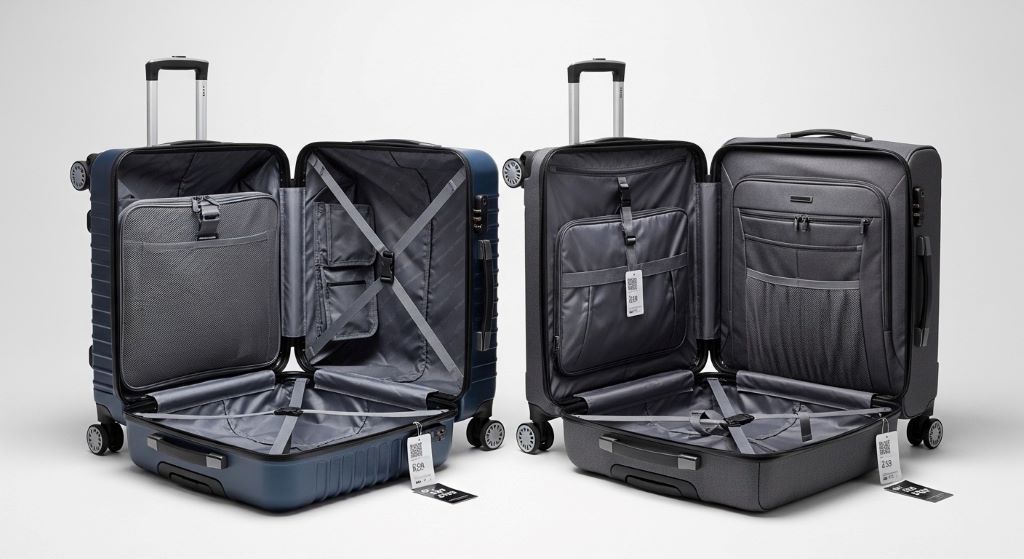
A well-organized interior makes packing easier and keeps belongings secure during transit. Even budget travel suitcase options often include thoughtful organizational elements that enhance functionality.
Compression straps hold contents in place and prevent shifting during handling. These straps should be adjustable and securely attached. They’re particularly important for checked luggage that undergoes rough treatment from baggage handlers.
Divider panels separate clean clothes from dirty or shoes from garments. Zippered mesh dividers work best, allowing you to see contents while keeping items contained. Some budget bags offer removable dividers, providing flexibility based on your packing needs.
Internal pockets help organize smaller items like toiletries, electronics, or documents. Mesh pockets let you see contents at a glance, while zippered pockets secure valuables. However, don’t prioritize numerous pockets over main compartment space in budget options.
Garment straps or clips prevent dress clothes from wrinkling. If you travel for business or events requiring formal attire, this feature adds significant value. However, casual travelers can skip this feature without consequence.
Wet pockets or laundry compartments prove useful for longer trips. These waterproof sections keep dirty or wet items separate from clean clothes. While nice to have, you can achieve the same result with plastic bags if your budget bag lacks this feature.
Spotting Quality Construction
Learning to identify quality construction helps you find gems among budget travel suitcase options. Several telltale signs distinguish well-made affordable luggage from cheap junk.
Examine corners and stress points carefully. These areas receive the most abuse and reveal construction quality. Look for reinforced corners with extra stitching or protective caps. Weak corners indicate overall poor construction regardless of price.
Check how components attach to the bag body. Handles, wheels, and feet should connect with rivets or reinforced stitching rather than simple glue. Tug gently on these parts to test their security. If anything feels loose in the store, it will definitely fail during travel.
Inspect seams and stitching throughout the bag. Stitches should be straight, even, and tight. Loose threads or skipped stitches indicate rushed manufacturing and predict future failures. Additionally, seams should be reinforced at stress points.
Test all zippers multiple times before purchasing. They should glide smoothly without catching or requiring excessive force. The zipper pull should feel sturdy, not flimsy. Remember that zipper replacement costs often exceed the bag’s initial price for budget options.
Assess the overall finish and attention to detail. Quality bags have neat edges, secure label attachment, and thoughtful design elements. Even affordable low cost luggage options can exhibit good craftsmanship if manufacturers prioritize function over flashy aesthetics.
Where to Find the Best Deals
Knowing where to shop for budget luggage maximizes your chances of finding quality at the right price. Different retailers offer various advantages, and timing your purchase correctly saves significant money.
Online marketplaces provide vast selection and competitive pricing. Read reviews carefully, focusing on comments about durability and real-world use rather than just appearance. Look for reviews from verified purchases and those written months after purchase, as these reveal long-term performance.
Discount retailers often carry surprisingly decent luggage at rock-bottom prices. However, quality varies significantly. Apply the construction checks mentioned earlier meticulously when shopping these venues. Sometimes you’ll find overstock from reputable brands at incredible prices.
Department store sales, particularly during major holidays, offer excellent opportunities for budget travelers. Many quality brands discount previous season’s colors or styles significantly. The luggage itself remains identical to current stock, just in less trendy colors.
Outlet stores from major luggage brands sell perfectly functional bags with minor cosmetic flaws at substantial discounts. These imperfections rarely affect performance. A small scratch or color irregularity doesn’t impact how well your bag protects belongings or rolls through airports.
Direct-to-consumer brands eliminate middleman markups, offering better quality at lower prices. These companies sell exclusively online, passing savings to customers. Research these brands thoroughly, as some offer genuine value while others simply skimp on quality.
Features You Can Skip to Save Money
Understanding what you don’t need prevents overspending on unnecessary features. Many expensive additions provide minimal practical benefit for budget travelers.
Built-in scales add cost without much value. Portable luggage scales cost under ten dollars and work with any bag. Therefore, paying extra for an integrated scale makes little financial sense unless you check bags constantly.
TSA-approved locks provide minimal security and add cost. Determined thieves defeat them easily, and TSA agents can open your bag with or without locks when necessary. Save money by skipping built-in locks and using zip ties if you want tamper-evidence.
Excessive branding and designer names inflate prices without improving functionality. You’re paying for a label rather than better construction. Generic or lesser-known brands often produce identical quality bags at fraction of designer prices.
Matching luggage sets might seem economical but often include sizes you’ll never use. Buy individual pieces as needed rather than paying for a set where two pieces sit unused in storage. This approach also lets you choose best options for each size category.
Premium colors and patterns cost more than basic options. If you’re willing to accept less trendy colors, you’ll find identical construction at lower prices. Black, navy, and gray bags function identically to fashion-forward colors but typically cost less.
Warranty and Return Policies
Even budget travel suitcase purchases should include some protection against defects. Understanding warranty coverage and return policies protects your investment.
Manufacturer warranties vary significantly even among affordable brands. Some budget options include limited lifetime warranties covering manufacturing defects. Others offer one to two years of coverage. Read warranty terms carefully, noting what’s covered and what conditions void coverage.
Return policies from retailers matter as much as manufacturer warranties. Purchase from retailers offering at least 30-day returns, preferably longer. This window lets you test the bag with actual packing and potentially take one short trip before committing.
Online purchases require extra attention to return policies. Check who pays return shipping and whether restocking fees apply. Some online sellers offer free returns, while others charge fees that significantly reduce your savings on budget luggage.
Keep all receipts and documentation for warranty claims. Store these digitally by photographing them immediately after purchase. Many manufacturers require proof of purchase for warranty service, and paper receipts fade over time.
Register your luggage with the manufacturer if they offer registration. This process takes minutes and ensures they have your contact information and purchase date for warranty purposes. Some companies extend warranties for registered products.
Maintenance Tips for Longevity
Proper care extends the life of even budget travel suitcase options significantly. Simple maintenance routines prevent many common problems and maximize your investment.
Clean your luggage after each trip, particularly after beach or outdoor adventures. Wipe hard shells with damp cloth and mild soap. Vacuum soft-sided bags to remove dirt from fabric. Pay special attention to wheels and handles where grime accumulates.
Lubricate moving parts periodically. Telescoping handles benefit from occasional silicone spray, keeping them sliding smoothly. Wheels roll better when axles receive light oil application. This simple maintenance prevents mechanisms from seizing or becoming difficult to operate.
Store luggage properly between trips. Keep bags in cool, dry locations away from direct sunlight. Don’t stack heavy items on top of empty luggage, as this can warp frames or crush corners. Slightly open zippers to prevent zipper tape from sticking together.
Address small repairs immediately before they worsen. Loose stitching, small tears, or minor wheel issues are easily fixed when caught early. Delaying repairs often leads to complete failure requiring replacement. Many shoe repair shops handle luggage repairs affordably.
Use luggage covers for checked bags. These protective covers shield your bag from scratches, dirt, and rough handling. They cost little but significantly extend your bag’s lifespan and appearance. Additionally, they make identifying your luggage easier on crowded baggage carousels.
Testing Before Your Trip
Don’t discover problems with your new budget luggage during actual travel. Thorough testing at home reveals issues while you can still return or exchange the bag.
Pack the bag completely as you would for a trip. This test reveals whether it holds everything you need and if organization features work as expected. Roll it around your home over various surfaces. Wheels should glide smoothly over carpet, hardwood, and tile.
Practice extending and retracting the telescoping handle multiple times. It should lock securely at each position without wobbling. Test weight capacity by filling the bag and lifting it by various handles. All handles should feel comfortable and secure.
Check all zippers thoroughly by opening and closing them repeatedly with the bag fully packed. They should operate smoothly under tension. This test often reveals weak zippers before they fail during travel.
Weigh your packed bag to ensure it stays within airline limits. Even low cost luggage can be surprisingly heavy when full. Knowing your bag’s weight when packed helps you stay within limits and avoid expensive overweight fees.
Take the bag on a short local trip if possible before a major journey. This real-world test reveals any issues in actual use conditions. You can address problems before they ruin an important trip.
Packing Strategies to Reduce Wear
How you pack affects how long your luggage lasts. Proper packing techniques reduce stress on zippers, seams, and other vulnerable components.
Distribute weight evenly throughout the bag rather than concentrating heavy items in one area. Place heavy items near the wheels in rolling luggage. This positioning makes the bag easier to maneuver and reduces strain on the handle and frame.
Use packing cubes to organize and compress contents. These tools protect both your belongings and the luggage interior. They prevent items from shifting during transit, which reduces stress on internal components. Additionally, they make packing and unpacking much faster.
Avoid overpacking, which is the leading cause of zipper failure and seam stress. If you must force a zipper closed, you’re asking for trouble. Pack slightly under capacity to extend your bag’s life significantly. Remember that you’ll likely acquire items during your trip.
Place soft items near the bag’s exterior and fragile items toward the center. This strategy provides cushioning that protects both your belongings and the bag itself during rough handling. Clothing naturally absorbs impacts that might otherwise damage the bag’s structure.
Empty exterior pockets of valuables before checking luggage. These pockets receive extra abuse and may be more accessible to thieves. Use them for items you don’t mind losing, like magazines or snacks you’ll consume during travel.
Alternative Options for Different Budgets
While this guide focuses on traditional luggage, other options might better suit certain budget travelers. Consider these alternatives before committing to a conventional suitcase.
Duffel bags cost significantly less than wheeled luggage and work well for shorter trips or adventure travel. They’re incredibly versatile and easy to store when not in use. However, they become uncomfortable when heavy and lack the convenience of wheels.
Backpacks designed for travel offer hands-free carrying and cost less than wheeled bags. They’re ideal for travelers using public transportation or visiting places with poor pavement. Modern travel backpacks include many organizational features of traditional luggage. Nevertheless, they’re less comfortable for long airport walks and don’t protect contents as well as hard-sided bags.
Hybrid bags combine backpack straps with wheels, offering flexibility for different situations. When paths are smooth, use wheels. When facing stairs or rough terrain, switch to backpack mode. These versatile options suit diverse travel styles but sometimes compromise on both functions.
Compression bags reduce the size of soft items, letting you fit more in smaller luggage. While not luggage themselves, they let you use smaller, less expensive bags effectively. This strategy works particularly well for cold-weather travelers dealing with bulky clothing.
Conclusion
Choosing the best affordable luggage for budget travel in 2026 requires balancing cost against quality and functionality. By focusing on essential features like durable wheels, reliable zippers, and solid construction, you can find a budget travel suitcase that serves you well for years without breaking the bank.
Understanding your specific travel needs helps you avoid paying for unnecessary features while ensuring you get capabilities that matter most to your journey style. Whether you choose hard-shell or soft-sided, carry-on or checked, the key is identifying quality construction indicators even in low cost luggage options.
Remember that the cheapest option isn’t always the best value. Investing slightly more in a well-constructed bag often saves money long-term by avoiding replacements. However, you definitely don’t need to spend hundreds to get reliable, functional luggage that withstands regular travel.
Take time to inspect potential purchases carefully, test all moving parts, and understand warranty coverage before buying. With proper maintenance and care, even budget-friendly luggage can accompany you on countless adventures. Therefore, choose wisely based on the guidance in this article, and you’ll find luggage that meets your needs without exceeding your budget.
Frequently Asked Questions
What’s a reasonable price range for quality budget travel luggage?
Quality budget luggage typically ranges from 50 to 150 dollars depending on size and features. Carry-on bags generally cost less than checked luggage. Within this range, you can find well-constructed options from reliable brands that include essential features like spinner wheels, quality zippers, and decent warranties. Anything significantly cheaper often sacrifices durability, while prices above this range enter premium territory where you’re paying for brand names or luxury features rather than better basic functionality.
How can I tell if cheap luggage will last or fall apart quickly?
Examine construction details carefully before purchasing. Check that wheels attach securely with metal hardware rather than plastic clips. Test zippers by opening and closing them multiple times while the bag is full. Inspect corners for reinforcement and examine all stitching for evenness and tightness. Read reviews from verified purchasers, particularly those written several months after purchase. If a bag feels flimsy or poorly assembled in the store, it won’t improve with use.
Is hard-shell or soft-sided luggage better for budget travelers?
Both options work well for budget travelers, depending on your priorities. Hard-shell luggage protects contents better and cleans more easily, making it ideal for checking bags or traveling with fragile items. Soft-sided luggage offers more flexibility, external pockets, and often costs less for comparable quality. It also tends to be lighter. Consider your typical packing style and travel conditions when choosing. Neither option is universally superior.
Should I buy luggage online or in stores?
Both shopping methods offer advantages. Physical stores let you examine construction, test features, and assess quality before purchasing. You can roll the bag around and test handles immediately. Online shopping provides better prices, wider selection, and detailed customer reviews. Consider buying online from retailers with generous return policies, allowing you to inspect thoroughly upon arrival and return if unsatisfied. This approach combines online prices with the inspection benefits of store shopping.
How many pieces of luggage do I actually need for budget travel?
Most budget travelers need only one or two pieces. A quality carry-on bag serves for trips up to a week and avoids checked bag fees entirely. Add a medium checked bag if you take longer trips or travel to cold climates requiring bulky clothing. Avoid buying matched sets with multiple sizes unless you specifically need each piece. Starting with one versatile carry-on lets you determine what additional luggage you truly need based on your actual travel patterns.
Related Topics:
No Comments