

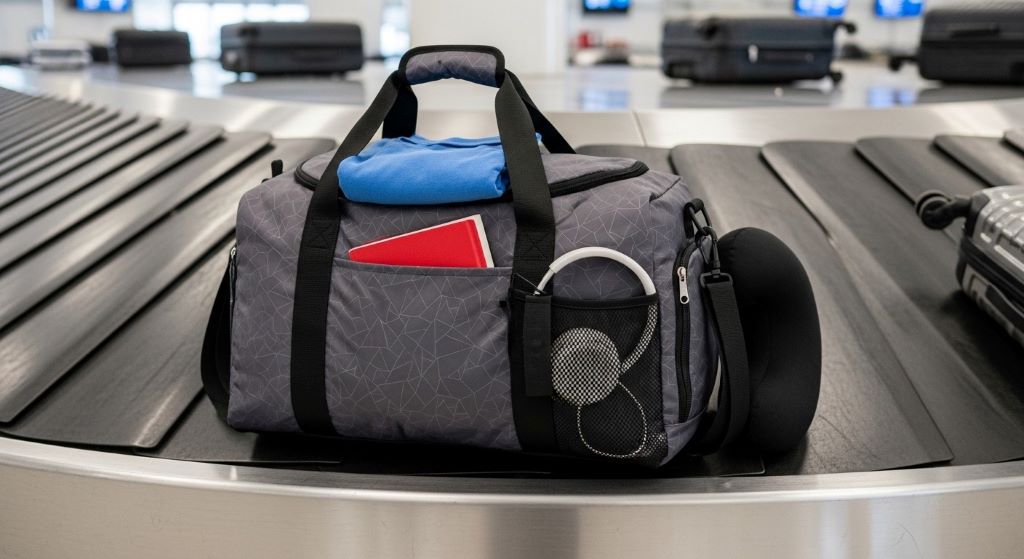
11 Mar How to Choose Lightweight Duffel Bags for Easy Travel
Traveling should be enjoyable, not stressful. One of the biggest challenges travelers face is managing their luggage. Heavy bags can slow you down, cause fatigue, and make navigation through airports or train stations difficult. Therefore, choosing the right bag becomes essential for a smooth journey.
Lightweight duffel bags have become increasingly popular among modern travelers. These versatile bags offer the perfect balance between capacity and portability. Whether you’re planning a weekend getaway or an extended trip, understanding how to select the right duffel bag can transform your travel experience.
Understanding the Benefits of Lightweight Luggage
When you travel frequently, every ounce matters. Heavy luggage can quickly exceed airline weight limits, resulting in unexpected fees. Additionally, carrying heavy bags can strain your shoulders and back, turning what should be an exciting adventure into a painful ordeal.
Lightweight bags solve these problems effectively. They allow you to pack more items without worrying about the bag’s weight. Moreover, they’re easier to lift into overhead compartments or car trunks. This convenience becomes especially important when you’re rushing to catch a flight or navigating unfamiliar cities.
Modern materials have revolutionized bag manufacturing. Today’s lightweight duffel bags use advanced fabrics that provide durability without adding bulk. These materials resist water, tears, and everyday wear while keeping the overall weight minimal. Consequently, you get a bag that lasts for years without compromising on functionality.
Key Features to Look for in Travel Duffel Bags
Choosing the right duffel bag requires careful consideration of several factors. First, examine the material composition. High-quality nylon or polyester fabrics offer excellent strength-to-weight ratios. These materials withstand rough handling while remaining surprisingly light.
Storage capacity represents another crucial factor. Consider your typical travel duration and packing habits. A 40-liter bag suits weekend trips perfectly, while longer journeys might require 60 liters or more. However, remember that bigger isn’t always better. Oversized bags encourage overpacking, which defeats the purpose of choosing lightweight luggage.
Compartment organization makes packing and unpacking significantly easier. Look for bags with multiple pockets, including external ones for quick-access items. Internal dividers help separate clean clothes from dirty ones. Some bags even feature shoe compartments, keeping footwear away from your clothing.
Comfort features shouldn’t be overlooked. Padded shoulder straps distribute weight evenly across your body. Adjustable straps let you customize the fit to your frame. Additionally, some duffel bags include chest or waist straps for extra stability during long walks.
The Advantages of Compact Travel Bags
Space-saving luggage has transformed how people approach travel. Compact travel bags maximize storage efficiency while minimizing bulk. These bags fit easily in tight spaces, whether under airplane seats or in crowded hostel lockers.
The design of these bags focuses on practicality. They typically feature streamlined shapes that prevent snagging on obstacles. Furthermore, their flexible construction allows them to squeeze into spaces where rigid suitcases wouldn’t fit. This flexibility proves invaluable when traveling through narrow corridors or crowded public transportation.
Many travelers appreciate how these bags simplify packing strategies. Instead of bringing one large suitcase, you might choose several smaller bags. This approach offers better organization and weight distribution. Moreover, it provides backup options if one bag gets damaged or delayed during travel.
Exploring Foldable Duffel Bag Options
Innovation in travel gear has introduced remarkable convenience features. A foldable duffel bag represents one of the smartest investments for frequent travelers. These bags collapse into incredibly small packages when empty, taking up minimal storage space.
The versatility of these bags extends beyond their compact form. They serve as excellent secondary bags for souvenirs or extra items acquired during trips. When you’re not traveling, they fold down to fit in a drawer or closet shelf. This space-saving quality makes them ideal for people with limited storage at home.
Construction quality remains important even in foldable designs. Premium models use reinforced stitching at stress points to prevent tearing. The folding mechanism should operate smoothly without damaging the fabric. Additionally, look for bags that maintain their shape when expanded, rather than appearing limp or saggy.
Materials and Durability Considerations
The fabric choice significantly impacts both weight and longevity. Ripstop nylon stands out as an excellent option for travel bags. This material resists tearing and punctures while remaining lightweight. Its grid pattern prevents small rips from spreading, extending the bag’s lifespan.
Polyester offers another reliable choice, particularly for budget-conscious travelers. It provides good water resistance and durability at a lower price point. However, ensure the polyester has a sufficient denier rating. Higher denier numbers indicate thicker, more durable fabric.
Water resistance protects your belongings from unexpected weather. Many lightweight bags feature water-repellent coatings or treatments. Some even include rain covers for extra protection. Nevertheless, truly waterproof bags tend to be heavier, so consider your typical travel destinations when making this choice.
Zippers often fail before the fabric does. Quality bags use reliable YKK zippers or similar trusted brands. The zipper pulls should be large enough to grip easily, even while wearing gloves. Reinforced zipper tracks prevent the teeth from separating under stress.
Size Selection for Different Travel Needs
Matching bag size to trip duration prevents both overpacking and insufficient space. For overnight or weekend trips, a 30 to 40-liter bag typically suffices. This size holds two to three days’ worth of clothing plus toiletries and essentials.
Week-long vacations generally require 50 to 60-liter capacity. This range accommodates varied weather clothing and extra shoes. However, efficient packers might manage with slightly smaller bags by using packing cubes and compression techniques.
Extended travel lasting two weeks or more might necessitate larger bags. Yet, consider whether checking luggage makes sense for your journey. Sometimes, two smaller carry-on sized bags work better than one large checked bag. This strategy provides flexibility and reduces the risk of lost luggage.
Airline carry-on restrictions influence size decisions significantly. Most airlines allow bags up to 22 x 14 x 9 inches in cabins. Always verify your specific airline’s requirements before purchasing. A bag that’s slightly too large means checking it and potentially incurring fees.

Organizational Features That Enhance Functionality
Internal organization transforms a simple bag into an efficient packing system. Mesh pockets let you see contents without unpacking everything. They’re perfect for storing cables, chargers, and small accessories. The transparency helps locate items quickly during security checks or in dimly lit hotel rooms.
Compression straps reduce bag bulk when it’s not completely full. These straps prevent items from shifting during transport, protecting fragile belongings. Additionally, they help the bag maintain a streamlined profile, making it easier to carry and store.
Shoe compartments or ventilated pockets separate dirty items from clean clothes. This feature proves especially valuable during multi-day trips. Some bags include removable laundry bags, providing an extra layer of organization and cleanliness.
External pockets offer quick access to frequently needed items. Water bottle holders keep hydration within reach. Document pockets secure passports, tickets, and boarding passes. These thoughtful additions eliminate the frustration of digging through your entire bag for essential items.
Comfort and Carrying Options
How you carry your bag affects your entire travel experience. Dual carrying handles allow for different grip positions, reducing hand fatigue. Look for handles with padding or ergonomic designs that feel comfortable even when the bag is fully loaded.
Shoulder straps should be both removable and adjustable. Padded straps prevent digging into your shoulders during extended carrying periods. The ability to remove straps entirely converts your duffel into a more streamlined package when needed.
Some duffel bags offer backpack-style carrying options. Convertible designs include hideaway shoulder straps that transform the bag into a backpack. This versatility proves valuable when walking long distances or navigating stairs. However, ensure the backpack straps are adequately padded and well-designed, not just an afterthought.
Grab handles positioned at both ends of the bag provide additional carrying flexibility. These handles make it easier to lift the bag into overhead compartments or car trunks. They also help when maneuvering in tight spaces where shoulder straps would be impractical.
Price Range and Value Assessment
Budget considerations play a role in every purchase decision. Entry-level lightweight duffel bags start around twenty to thirty dollars. These basic models work fine for occasional travelers who prioritize cost over features. However, they may lack durability for frequent use.
Mid-range options, priced between fifty and one hundred dollars, offer better quality and features. These bags typically include more organizational pockets, superior materials, and better construction. They represent good value for regular travelers who need reliable luggage.
Premium duffel bags can cost over one hundred dollars. These investment pieces feature top-tier materials, extensive warranties, and innovative designs. For frequent flyers or adventure travelers, the additional cost often justifies itself through years of dependable service.
Remember that the cheapest option isn’t always the best value. A bag that falls apart after a few trips costs more in the long run than a quality bag that lasts for years. Consider your travel frequency and needs when determining your budget.
Brand Reputation and Customer Reviews
Established luggage brands often deliver consistent quality. Companies specializing in travel gear understand what travelers need. They invest in research and development to create products that solve real problems. Nevertheless, newer brands sometimes offer innovative features at competitive prices.
Customer reviews provide invaluable insights into real-world performance. Pay attention to comments about durability, comfort, and functionality. Look for patterns in feedback rather than focusing on individual complaints. A few negative reviews among hundreds of positive ones shouldn’t necessarily discourage a purchase.
Professional travel bloggers and gear reviewers offer detailed assessments. Their experiences using bags in various conditions help predict performance. However, remember that reviewers’ needs might differ from yours. A bag perfect for backpacking through Europe might not suit business travel.
Maintenance and Care Tips
Proper maintenance extends your bag’s lifespan significantly. Regular cleaning prevents dirt and grime from degrading materials. Most lightweight duffel bags can be spot-cleaned with mild soap and water. Avoid harsh chemicals that might damage water-repellent coatings.
After trips, empty and air out your bag completely. This prevents musty odors and moisture buildup. Store the bag in a cool, dry place away from direct sunlight. Prolonged sun exposure can fade colors and weaken fabrics.
Inspect zippers, straps, and seams periodically. Address minor repairs promptly before they become major problems. A loose thread fixed early prevents a seam from completely unraveling. Similarly, applying zipper lubricant maintains smooth operation.
When not in use, stuff your bag lightly with paper or bubble wrap. This helps maintain its shape and prevents permanent creasing. For foldable bags, follow the manufacturer’s folding instructions to avoid stressing the fabric unnecessarily.
Environmental Considerations
Sustainable travel extends to luggage choices. Many manufacturers now use recycled materials in their bags. These eco-friendly options reduce environmental impact without sacrificing quality. Choosing durable bags over disposable ones also contributes to sustainability by reducing waste.
Some brands participate in take-back or recycling programs. When your bag finally reaches the end of its life, these programs ensure responsible disposal. Additionally, certain companies donate a portion of profits to environmental causes, allowing your purchase to support conservation efforts.
Repair services offered by manufacturers extend product life cycles. Instead of discarding a bag with minor damage, repair it and continue using it. This approach saves money while reducing your environmental footprint.
Making Your Final Decision
Selecting the perfect lightweight duffel bag requires balancing multiple factors. Start by identifying your primary travel needs. Do you take short weekend trips or extended vacations? Will you fly frequently or drive more often? Your answers guide feature prioritization.
Create a checklist of must-have features versus nice-to-have options. This helps narrow down choices and prevents decision paralysis. For instance, you might require water resistance and a laptop compartment while considering compression straps optional.
Try bags in person when possible. Physical inspection reveals details photos can’t capture. Test zipper smoothness, strap comfort, and overall build quality. Lift the empty bag to gauge its base weight before adding belongings.
Read warranty information carefully. Comprehensive warranties indicate manufacturer confidence in their product. They also provide protection against defects and premature failure. However, understand what the warranty covers and any claim procedures.
Conclusion
Choosing the right lightweight duffel bag transforms your travel experience from stressful to enjoyable. By focusing on quality materials, thoughtful organization, and appropriate sizing, you’ll find a bag that meets your specific needs. Remember that compact travel bags and a well-designed foldable duffel bag offer unmatched versatility for modern travelers.
The investment in quality luggage pays dividends through years of reliable service. A good bag doesn’t just carry your belongings; it simplifies your entire journey. From packing efficiency to comfortable carrying, every feature contributes to smoother travels.
Take time to research options and consider your unique requirements. Whether you prioritize ultra-light weight, maximum organization, or space-saving storage, the perfect bag exists for you. Your future traveling self will thank you for making an informed, thoughtful choice today.
Frequently Asked Questions
What is the ideal weight for a lightweight duffel bag?
A truly lightweight duffel bag should weigh between 1 to 2 pounds when empty. Bags exceeding 3 pounds start negating the benefits of choosing lightweight luggage. However, balance weight against durability and features. An extremely light bag made from flimsy materials won’t serve you well in the long run.
Can I use a duffel bag as a carry-on for international flights?
Most duffel bags under 22 x 14 x 9 inches qualify as carry-on luggage for international flights. However, regulations vary by airline and destination. Always check your specific airline’s requirements before traveling. Flexible duffel bags sometimes squeeze into slightly smaller spaces than rigid suitcases, offering an advantage during busy flights.
How do I pack a duffel bag efficiently?
Roll your clothes instead of folding them to save space and reduce wrinkles. Place heavier items at the bottom, near the bag’s base. Use packing cubes to organize different categories of items. Fill shoes with socks or small items to maximize space. Compression straps help consolidate everything and prevent shifting during travel.
Are foldable duffel bags as durable as regular ones?
Quality foldable duffel bags match regular bags in durability when constructed properly. Look for reinforced stitching, quality zippers, and ripstop fabrics. The folding feature doesn’t inherently compromise strength if designed correctly. However, extremely cheap foldable bags might sacrifice durability for compactness, so choose reputable brands.
What’s the difference between a duffel bag and a weekender bag?
Weekender bags are typically smaller and more structured than duffel bags. They’re designed specifically for short trips of two to three days. Duffel bags offer more size variety and often have a more casual, flexible construction. Both serve similar purposes, but duffels generally provide greater versatility for different trip lengths.
Related Topics:
Skip the Long Lines at Prague Castle: Your Complete Visitor Guide for a Smooth Experience
Sneaky Ways to Beat Budget Airline Baggage Fees in 2025
No Comments