

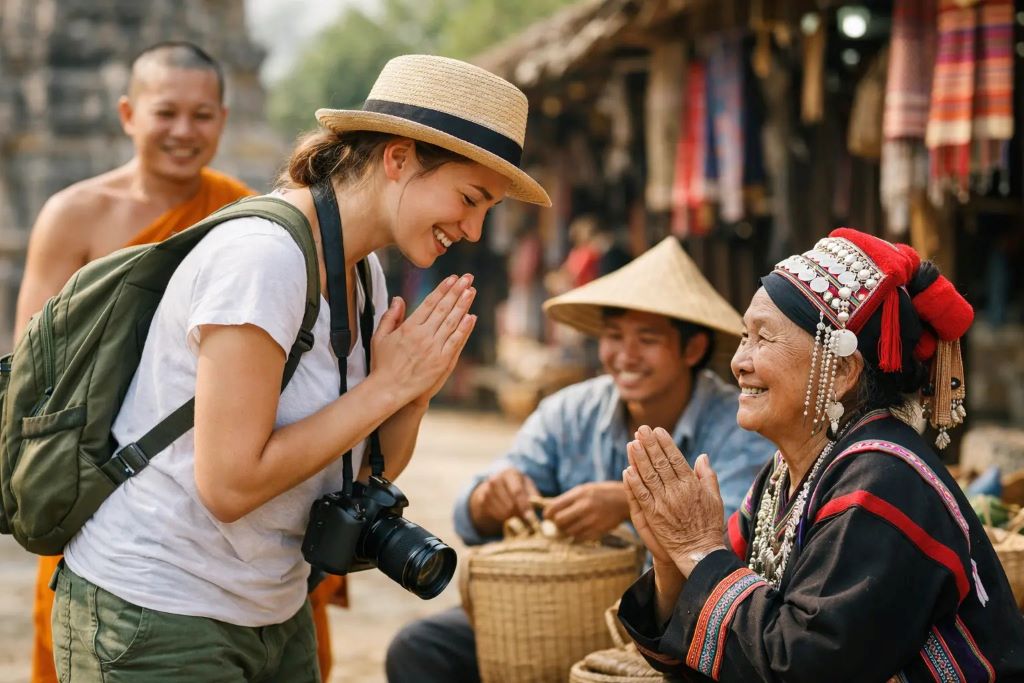
12 Apr How to Connect With Local Communities While Traveling: The Ultimate Guide to Meaningful and Authentic Experiences
Imagine arriving in a new city, armed with a guidebook and a list of top-rated attractions, only to leave feeling like you barely scratched the surface. You saw the sights, but you didn’t experience the place. A Booking.com survey found that 72% of travelers regret not connecting more deeply with local cultures during their trips. The difference between a forgettable vacation and a transformative journey? Meaningful interactions with the people who call your destination home.
Connecting with local communities while traveling isn’t about ticking off a checklist of tourist spots. It’s about immersing yourself in the rhythm of daily life, learning from those who know the destination best, and creating memories that last long after you’ve returned home. The truth is, the most rewarding travel experiences happen when you step off the beaten path and engage with the people, traditions, and stories that make a place unique.
This guide isn’t about forcing interactions or following a script. It’s about approaching travel with curiosity, respect, and an open mind. You’ll learn how to find authentic local experiences, build genuine connections, and contribute positively to the communities you visit. By the end, you’ll have a blueprint to transform your travels from superficial sightseeing to deep, enriching cultural exchanges.
The Power of Local Connections: Why Travelers Who Engage Have Better Trips
The Authenticity Dividend: Why Locals Offer Experiences You Can’t Find in Guidebooks
A Skift report revealed that 83% of travelers seek authentic experiences, yet only 31% feel they achieve this goal. Locals hold the key to unlocking the hidden gems of a destination—the family-run restaurants, the secret hiking trails, the festivals and traditions that don’t make it into tourist brochures. These experiences aren’t just more memorable; they’re often more affordable, sustainable, and aligned with the true spirit of a place.
Example: A traveler in Oaxaca, Mexico, discovered a hidden mezcal palenque through a conversation with a market vendor. The experience—complete with a traditional toast and stories of the family’s history—became the highlight of their trip.
The Cultural Exchange: How Travel Becomes a Two-Way Street
Travel isn’t just about what you can take from a destination—it’s about what you can give. A World Travel & Tourism Council study found that 68% of locals feel more positive about tourists who make an effort to engage with their culture. When you connect with local communities while traveling, you’re not just a visitor; you’re a participant in a cultural exchange that benefits both sides.
Example: A group of travelers in Vietnam spent an afternoon teaching English to local children. In return, the children’s families invited them to a home-cooked meal, offering a glimpse into daily life that no tour could provide.
The Economic Impact: Why Your Spending Matters More Than You Think
Where you spend your money has a ripple effect on local economies. A UNWTO report revealed that only $5 of every $100 spent by tourists stays in the local community when booking through international chains. By supporting local businesses, guides, and artisans, you ensure your travel dollars make a real difference.
Example: In Bali, a shift from international resorts to locally owned homestays increased household incomes by 30% in some villages.
The Personal Growth: How Local Connections Change You
Travelers who engage with local communities report higher levels of personal growth and satisfaction. A Journal of Travel Research study found that meaningful interactions with locals lead to increased empathy, cultural awareness, and even long-term behavioral changes.
Example: A traveler who participated in a homestay in Nepal returned home and started a nonprofit to support education in the village she visited.
How to Connect With Local Communities While Traveling: A Step-by-Step Guide
Step 1: Research Before You Go
Authentic connections start with preparation. Before your trip:
- Learn basic phrases in the local language (even a simple “hello” and “thank you” go a long way).
- Read local news and blogs to understand current events and cultural norms.
- Identify community-based tourism initiatives (e.g., homestays, local guides, or cultural workshops).
Pro tip: Use platforms like Airbnb Experiences, EatWith, or Withlocals to book activities hosted by locals.
Step 2: Stay in Locally Owned Accommodations
Where you stay sets the tone for your trip. Choose accommodations that immerse you in the community:
- Homestays: Live with a local family for an authentic cultural experience.
- Guesthouses: Small, family-run establishments often provide insider tips.
- Eco-lodges or community-run hotels: These often support local conservation and employment.
Example: In Guatemala, staying at a women’s cooperative guesthouse not only provided a unique experience but also supported female entrepreneurship.
Step 3: Eat Where the Locals Eat
Food is a universal connector. Skip the tourist traps and:
- Ask for recommendations from your host, a taxi driver, or a shopkeeper.
- Visit markets: Strike up conversations with vendors while sampling local specialties.
- Look for long lines: A sure sign of a beloved local spot.
Pro tip: Learn the local dining customs (e.g., tipping norms, when to eat) to avoid cultural faux pas.
Step 4: Participate in Local Activities and Events
Shared experiences build connections. Seek out:
- Festivals and celebrations: Check local event calendars before your trip.
- Workshops: Cooking classes, craft demonstrations, or language lessons.
- Volunteer opportunities: Platforms like Workaway or WWOF connect travelers with meaningful projects.
Example: Joining a traditional dance workshop in Ghana led to an invitation to a family celebration, where a traveler became the first foreigner to participate in a sacred ritual.
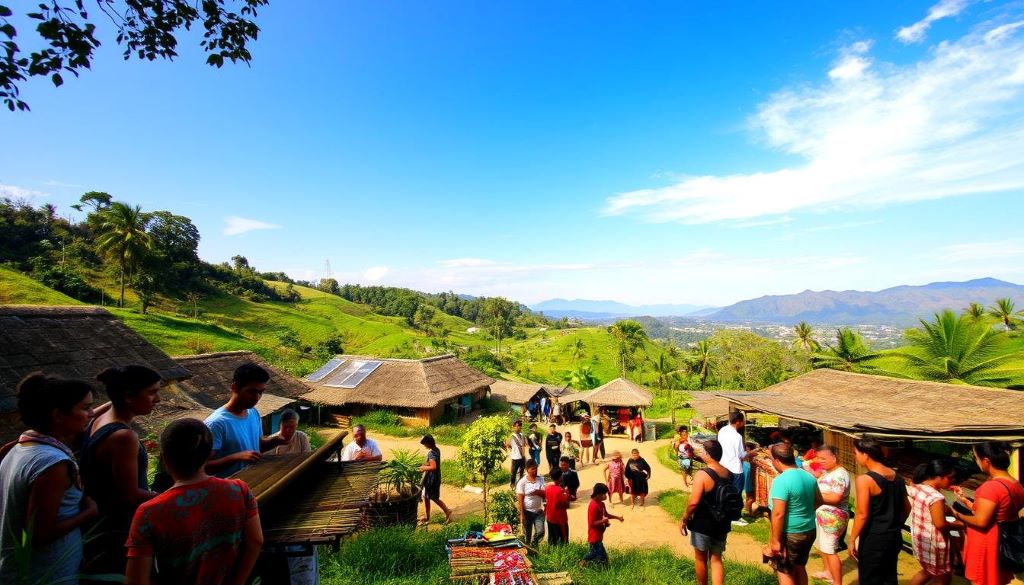
Step 5: Use Local Guides and Tours
Local guides offer insights you’d never discover on your own. Look for:
- Community-led tours: Often more affordable and authentic than commercial options.
- Specialized guides: For niche interests (e.g., birdwatching, history, or food).
- Free walking tours: Many cities offer tip-based tours led by locals.
Pro tip: Ask your guide for recommendations beyond the tour—where to eat, hidden spots to visit, or cultural etiquette tips.
Step 6: Engage in Everyday Interactions
Some of the most meaningful connections happen in casual moments:
- Chat with shopkeepers: Ask about their products or recommendations.
- Use public transport: Buses, trains, and shared taxis are great places to meet locals.
- Visit local hangouts: Cafés, barbershops, or parks where residents gather.
Example: A traveler in Morocco struck up a conversation with a tea vendor, who later invited them to a family wedding.
Step 7: Support Local Businesses and Artisans
Your purchases can empower communities. Seek out:
- Cooperatives: Fair-trade shops or women’s collectives.
- Markets: Buy directly from artisans instead of tourist shops.
- Local services: Use local guides, drivers, and tour operators.
Pro tip: Ask about the story behind a product. Many artisans are happy to share their craft’s history and significance.
Step 8: Be Respectful and Mindful of Cultural Norms
Every culture has its own etiquette. Research and respect:
- Dress codes: What’s appropriate in religious sites or rural areas?
- Photography rules: Always ask before taking photos of people or sacred sites.
- Greetings and gestures: A handshake, bow, or cheek kiss can vary by country.
Example: In some Middle Eastern countries, photographing women without permission is considered highly disrespectful.
Step 9: Give Back to the Community
Leave a positive impact by:
- Supporting local causes: Donate to a school, conservation project, or community initiative.
- Sharing skills: Offer to teach a workshop or help with a project.
- Spreading the word: Recommend local businesses on review sites or social media.
Example: A group of travelers in Peru helped build a classroom for a rural school. The experience deepened their connection to the community and left a lasting legacy.
Step 10: Stay Connected After Your Trip
Meaningful connections don’t end when you leave. Maintain relationships by:
- Sending thank-you notes or small gifts to hosts and guides.
- Following up on social media to stay in touch.
- Returning for repeat visits to deepen friendships.
Pro tip: Create a shared photo album with locals you met, so you can stay updated on their lives.
Cultural Travel Tips: How to Engage Respectfully and Authentically
Tip 1: Learn the Local Language Basics
Even a few words in the local language open doors. Focus on:
- Greetings: “Hello,” “goodbye,” and “thank you.”
- Practical phrases: “How much?” “Where is…?” “Help, please.”
- Compliments: “Your food is delicious!” or “Your city is beautiful!”
Pro tip: Use apps like Duolingo, Babbel, or Google Translate (download offline packs for remote areas).
Tip 2: Dress Like a Local
Clothing sends a message about your respect for the culture. Research:
- Modesty norms: Cover shoulders, knees, or hair where required.
- Traditional attire: Wearing local styles (when appropriate) can spark conversations.
- Footwear: Remove shoes when entering homes or temples in many Asian cultures.
Example: Wearing a sarong in Bali or a kanga in Tanzania shows respect and often delights locals.
Tip 3: Participate in Local Traditions
Traditions offer a window into a culture’s values. Join in on:
- Festivals: Ask about their significance and how to participate respectfully.
- Rituals: Observing (or joining) daily practices like tea ceremonies or prayers.
- Customs: Learn local greetings, handshakes, or gestures.
Pro tip: Observe first, then ask if you can participate. For example, in Japan, bowing correctly shows respect and earns goodwill.
Tip 4: Ask Questions With Genuine Curiosity
Locals love sharing their culture when asked with sincerity. Try:
- “What’s your favorite local dish, and where’s the best place to try it?”
- “Can you tell me about the history of this festival?”
- “What’s something about your culture that surprises foreigners?”
Example: Asking a Maori guide in New Zealand about the meaning behind a haka led to an impromptu performance and a deeper understanding of its significance.
Tip 5: Be Patient and Open-Minded
Cultural differences can be frustrating, but they’re also the source of travel’s richest rewards. When faced with unfamiliar customs:
- Observe before reacting.
- Ask for clarification if something confuses you.
- Laugh at yourself when you make mistakes—it breaks the ice.
Example: A traveler in India initially struggled with the concept of “Indian Standard Time” (a flexible approach to punctuality) but later embraced it as part of the experience.
Tip 6: Use Social Media to Connect Before You Go
Platforms like Facebook Groups, Couchsurfing, or Meetup can help you find locals to connect with before arrival. Search for:
- Expat groups: Often welcoming to travelers and full of tips.
- Local hobby groups: Photography clubs, hiking groups, or language exchanges.
- Community pages: For events or volunteer opportunities.
Pro tip: Post in local groups, introducing yourself and asking for recommendations. You’ll often receive invitations to meet up.
Tip 7: Document and Share Stories Responsibly
When sharing your experiences, focus on:
- Amplifying local voices: Tag and credit locals in your posts.
- Avoiding stereotypes: Share nuanced stories that reflect the complexity of the culture.
- Protecting privacy: Blur faces or ask permission before posting photos of people.
Example: Instead of posting a generic “look at this exotic market” photo, share the story of the vendor who taught you how to pick the ripest mangoes.
Real-Life Examples: How Travelers Built Lasting Local Connections
Case Study 1: The Solo Traveler Who Found a Second Family in Thailand
A solo traveler in Chiang Mai took a cooking class with a local family. Over shared meals and stories, she formed a bond that led to invitations to family gatherings and a homestay during her next visit. Five years later, she returns annually and considers them her “Thai family.”
Key Takeaway: Shared activities (like cooking) create natural opportunities for connection.
Case Study 2: The Photographer Who Gained Trust in Remote Papua New Guinea
A photographer spent weeks in a remote village, learning the local language and participating in daily life before asking to document their traditions. His patience and respect earned him rare access to sacred ceremonies, resulting in a published photo essay that raised awareness of the community’s culture.
Key Takeaway: Building trust takes time but unlocks unique opportunities.
Case Study 3: The Digital Nomad Who Created a Co-Working Space in Colombia
A digital nomad in Medellín frequented a local café and struck up conversations with the owner and regulars. Together, they transformed the café into a co-working space that now hosts weekly language exchanges and cultural events for travelers and locals alike.
Key Takeaway: Small, consistent interactions can lead to collaborative projects.
Common Mistakes That Hinder Local Connections While Traveling
1. Rushing Through Experiences
Meaningful connections take time. Don’t pack your itinerary so tightly that you miss opportunities to engage with locals.
2. Sticking to Tourist Bubbles
Resorts, international chains, and tourist-heavy areas limit your exposure to authentic culture. Venture beyond the guidebook recommendations.
3. Assuming Everyone Speaks English
Learning a few local phrases shows respect and opens doors. Don’t expect locals to accommodate your language limitations.
4. Being Overly Transactional
Locals can sense when you’re only interested in what they can do for you. Approach interactions with genuine curiosity and a willingness to give as well as receive.
5. Ignoring Cultural Norms
What’s acceptable in your home country may be offensive elsewhere. Research local customs before arriving.
6. Overdocumenting Instead of Experiencing
Constantly taking photos or videos can create a barrier between you and locals. Put the camera down and be present.
7. Not Following Up After the Trip
Many travelers promise to stay in touch but never do. A simple message or postcard can maintain a connection for future visits.
Expert Insights: How to Deepen Your Local Travel Connections
Insight 1: Volunteer With a Local Cause
Volunteering is a powerful way to give back and connect. Look for opportunities with:
- Environmental groups: Beach cleanups, reforestation projects.
- Education initiatives: Teaching English or digital skills.
- Community centers: Helping with events or daily operations.
Example: Volunteering at a turtle conservation project in Costa Rica led a traveler to a lifelong passion for marine biology.
Insight 2: Take a Class or Workshop
Learning a local skill—cooking, dancing, crafting—creates natural bonding opportunities. Platforms like Airbnb Experiences or local community centers often offer classes.
Example: A traveler in Italy took a pasta-making class and was invited to the instructor’s family Sunday lunch.
Insight 3: Attend Local Events and Gatherings
Check community bulletin boards, local newspapers, or Facebook groups for:
- Festivals: Religious, cultural, or seasonal celebrations.
- Markets: Farmer’s markets, flea markets, or night bazaars.
- Sports or games: Pickup soccer games, chess clubs, or traditional competitions.
Pro tip: Ask your accommodation host for recommendations—they often know hidden gems.
Insight 4: Use Homestays or Work Exchanges
Platforms like Workaway, HelpX, or TrustedHousesitters connect travelers with locals who offer room and board in exchange for help. These arrangements often lead to deep cultural exchanges.
Example: A traveler who helped on a farm in Portugal was invited to a family wedding and now returns every year.
Insight 5: Support Local Artisans and Businesses
Your purchases can empower communities. Seek out:
- Cooperatives: Women’s weaving collectives, fair-trade shops.
- Family-run businesses: Restaurants, guesthouses, or tour operators.
- Local markets: Buy produce, crafts, or souvenirs directly from makers.
Insight 6: Learn the History and Context Behind What You See
Understanding the “why” behind traditions and landmarks deepens your appreciation. Hire a local guide, visit museums, or read books by local authors.
Example: A traveler in Cambodia visited the Killing Fields with a survivor as a guide, gaining a profound understanding of the country’s recent history.
Insight 7: Be a Cultural Ambassador for Your Own Background
Locals are often curious about your culture too. Share stories, foods, or traditions from your home—it’s a great way to reciprocate their hospitality.
Example: A traveler in Japan brought homemade maple syrup candies to share with her homestay family, sparking a conversation about Canadian traditions.
Related Topics:
FAQs: Your Top Questions About Connecting With Local Communities While Traveling
1. How do I find authentic local experiences?
Ask locals for recommendations, use community-based tourism platforms, and avoid overly commercialized attractions.
2. What’s the best way to approach locals without being intrusive?
Start with a smile and a simple greeting in the local language. Show genuine interest in their culture, and be respectful of their time and boundaries.
3. How can I connect with locals if I don’t speak the language?
Use translation apps, learn basic phrases, and rely on non-verbal communication (gestures, smiles, and body language). Many locals appreciate the effort, even if you’re not fluent.
4. What’s the etiquette for taking photos of locals or their homes?
Always ask permission first. In some cultures, photographing people (especially women or children) is considered disrespectful. When in doubt, refrain from taking the photo.
5. How can I support local communities without being exploitative?
Choose locally owned businesses, pay fair prices for goods and services, and avoid haggling aggressively. Ask how you can contribute meaningfully rather than assuming what they need.
6. What’s the best way to stay in touch with locals I meet?
Exchange contact information (email, WhatsApp, or social media) and follow up with a thank-you message. Share updates on your travels and ask about theirs.
7. How do I handle cultural misunderstandings gracefully?
Apologize sincerely if you’ve offended someone, ask for clarification, and use the moment as a learning opportunity. Most locals will appreciate your willingness to understand their customs.
Conclusion: Travel Deeper by Connecting With Local Communities
Connecting with local communities while traveling isn’t about checking off a list of interactions. It’s about approaching your journey with humility, curiosity, and a willingness to learn. By stepping out of your comfort zone, engaging respectfully, and contributing positively, you’ll transform your travels from superficial sightseeing to life-changing cultural exchanges.
Remember: The most meaningful connections often happen when you least expect them. Start small—strike up a conversation with a shopkeeper, ask your server for a recommendation, or join a local class. The more you practice these cultural travel tips, the more natural and rewarding your interactions will become.
Your next step? Before your next trip, research one local tradition or event to participate in. Whether it’s a cooking class, a festival, or a community project, taking that first step will open doors to experiences you’ll remember for a lifetime.
Ready to Travel Like a Local?
Pick one strategy from this guide—whether it’s learning basic phrases, booking a homestay, or attending a local event—and put it into action on your next trip. The deeper your connections, the richer your travel experiences will be.
Your journey to meaningful travel starts with a single conversation.
No Comments