

18 Feb What to See in Venice: A Complete Guide to the City of Canals
Venice is a city like no other. With its maze of canals, historic landmarks, and charming streets, it offers a magical experience. Whether it’s your first time visiting or you’re returning for another adventure, there’s always something new to discover. From world-famous attractions to hidden gems, here’s your ultimate guide on what to see in Venice.
The Grand Canal: Venice’s Lifeline
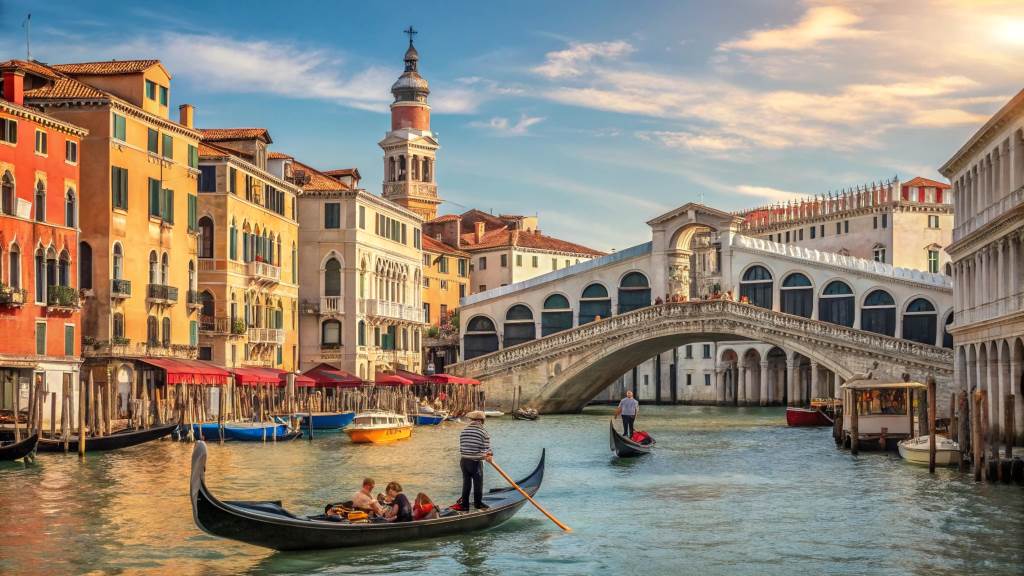
The Grand Canal is the city’s main waterway, stretching over two miles and lined with stunning palaces. This S-shaped canal serves as the central artery of Venice, offering breathtaking views at every turn. Taking a vaporetto (water bus) along the canal is a must-do.
Highlights Along the Grand Canal:
- Rialto Bridge: The oldest bridge crossing the Grand Canal, built in the late 16th century. It offers stunning views and is home to small shops selling jewelry and souvenirs.
- Ca’ d’Oro: A Gothic-style palace with an incredible façade and a museum inside featuring Renaissance art.
- Palazzo Grassi: A contemporary art museum housed in an 18th-century palace, showcasing exhibitions from the Pinault Collection.
If you want an unforgettable experience, consider a gondola ride at sunset when the golden light reflects off the water, creating a magical atmosphere. Much like the vibrant energy of the Coachella Music Festival, where music and art blend seamlessly, Venice’s canals offer a mesmerizing backdrop that feels almost surreal.
Piazza San Marco: The Heart of Venice
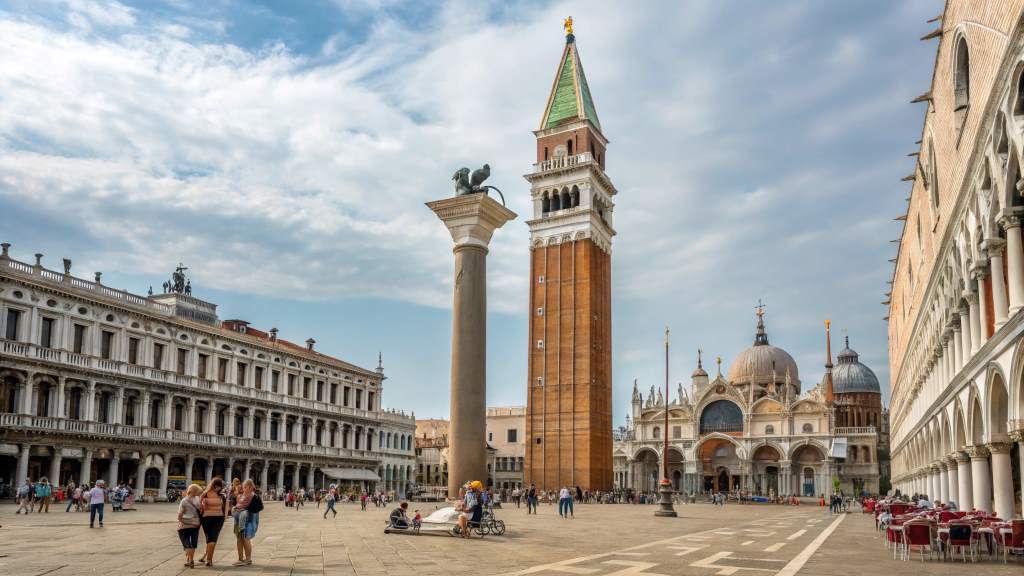
Piazza San Marco, or St. Mark’s Square, is the most famous and iconic square in Venice. Napoleon once called it “the most beautiful drawing room in Europe.”
Must-See Attractions in Piazza San Marco:
- St. Mark’s Basilica: Known for its shimmering golden mosaics, this cathedral is a masterpiece of Byzantine architecture. Climb to the terrace for a panoramic view of the square.
- Doge’s Palace: This former residence of the Venetian rulers is an architectural marvel. The interior features grand halls, detailed frescoes, and the famous Bridge of Sighs leading to the old prison.
- Torre dell’Orologio: A 15th-century clock tower with an astronomical clock that still functions today.
During peak season, Piazza San Marco can be crowded. Visit early in the morning or late in the evening for a quieter experience.
Murano: The Island of Glassmaking
A short boat ride from Venice, Murano is world-famous for its glassmaking traditions dating back to the 13th century. Visiting this island feels like stepping into a working artisan village.
What to Do in Murano:
- Watch a live glassblowing demonstration at a historic furnace.
- Visit the Museo del Vetro, which showcases centuries of Venetian glass art.
- Browse the small boutique shops for unique handcrafted glass souvenirs.
Murano is less crowded than Venice, making it a perfect half-day escape from the city’s hustle and bustle.
Burano: A Colorful Fairytale Island
Burano is another nearby island, known for its vibrant, rainbow-colored houses and delicate lace-making tradition. Legend says fishermen painted their houses in bright colors so they could find their way home in the fog.
Things to See in Burano:
- The Lace Museum (Museo del Merletto): Showcasing centuries of handmade lacework, a craft passed down through generations.
- Leaning Bell Tower (Campanile di Burano): A slanted tower that’s an iconic part of the island’s skyline.
- Try the local specialty: Burano’s famous bussolà, a sweet butter cookie, is a must-try treat.
Burano’s laid-back charm makes it a perfect place to wander aimlessly and soak in the atmosphere.
The Hidden Gems of Venice
Beyond the main attractions, Venice has countless hidden spots that provide a more authentic experience away from the crowds.
Libreria Acqua Alta
A quirky bookstore where books are stacked in bathtubs and gondolas to protect them from Venice’s frequent flooding.
Scala Contarini del Bovolo
A secret spiral staircase offering one of the best panoramic views of Venice.
San Giorgio Maggiore
An island across from St. Mark’s Square. Climb its bell tower for breathtaking views without the crowds.
Venetian Cuisine: What to Eat in Venice
Venice is known for its seafood-based cuisine and unique flavors. Don’t leave without trying these dishes:
- Sarde in Saor: Sweet-and-sour sardines marinated with onions, vinegar, and pine nuts.
- Bigoli in Salsa: A thick pasta served with an anchovy and onion sauce.
- Cicchetti: Venice’s version of tapas, small plates served at traditional bacari (wine bars).
For an unforgettable dining experience, book a canal-side restaurant and enjoy a meal while watching gondolas pass by—just like enjoying a scenic Bosphorus dinner when visiting Turkey.
FAQs
1. What is the best time to visit Venice?
Spring (April to June) and autumn (September to October) offer pleasant weather and fewer crowds. Avoid summer for extreme heat and over-tourism.
2. How do I get around Venice?
Walking is the best way to explore, but vaporettos (water buses) are available. Gondolas are more for scenic rides than transportation.
3. Is Venice expensive to visit?
Yes, but you can save money by staying in Mestre, dining at local trattorias, and using vaporetto passes instead of private boats.
4. Can you visit Murano and Burano in one day?
Yes, both islands are close to Venice and can be explored in a single day with a combination vaporetto ticket.
5. Are there any free things to do in Venice?
Absolutely! Exploring the canals, visiting churches, and walking through the Jewish Ghetto are all free experiences.
Final Thoughts
Venice is a city that captures the heart and imagination of every traveler. Whether you’re marveling at St. Mark’s Basilica, gliding through the Grand Canal, or discovering hidden gems, the magic of Venice never fades. With a little planning, you can experience the best of this floating city while avoiding the crowds and high costs.
No Comments