

16 Dec Discover the Magic of Scotland in Winter—Places and Experiences That Will Take Your Breath Away
Scotland reveals its most authentic self in winter. Join us in exploring the unique atmosphere of this land during a time when the tourist crowds fade away and the landscape takes on a mystical charm. We’ve put together a guide to winter in Scotland, complete with practical travel tips, recommendations for unforgettable activities, and a list of places that feel twice as magical in the winter season.
Forget crowded landmarks and tourist traps. Winter in Scotland brings out its authentic side, with mysterious mists, dramatic light, and, most importantly, locals who finally have time to chat with you over a warm glass of whisky.
What Awaits You on Winter Tours of Scotland?
Temperatures in the lowlands usually stay above freezing—ranging between 2 and 7 °C (35.6 and 44.6 °F). Snow is rare and doesn’t stick around for long. It’s a different story in the mountains, where from December to March, you’ll find a steady blanket of snow and temperatures often dropping below freezing.
Your winter itinerary in Scotland needs to take these specifics into account:
- Days last only from 7 hours (December) up to 10 hours (February),
- winds can reach gusts of up to 160 km/h (99.4 mph),
- rain is frequent but usually just light drizzle,
- on average, you can expect about 15 rainy days per month.
Transport and Accommodation—What to Expect
In winter Scotland, the first rule applies double: always have a Plan B. And ideally, a Plan C as well. Why?
- Mountain passes may be closed due to snow,
- ferries to the islands often cancel trips due to strong winds,
- and some landmarks and attractions have limited winter hours or are closed.
So always check the current opening hours in advance and allow extra time when planning your winter tours.
Best Winter Destinations
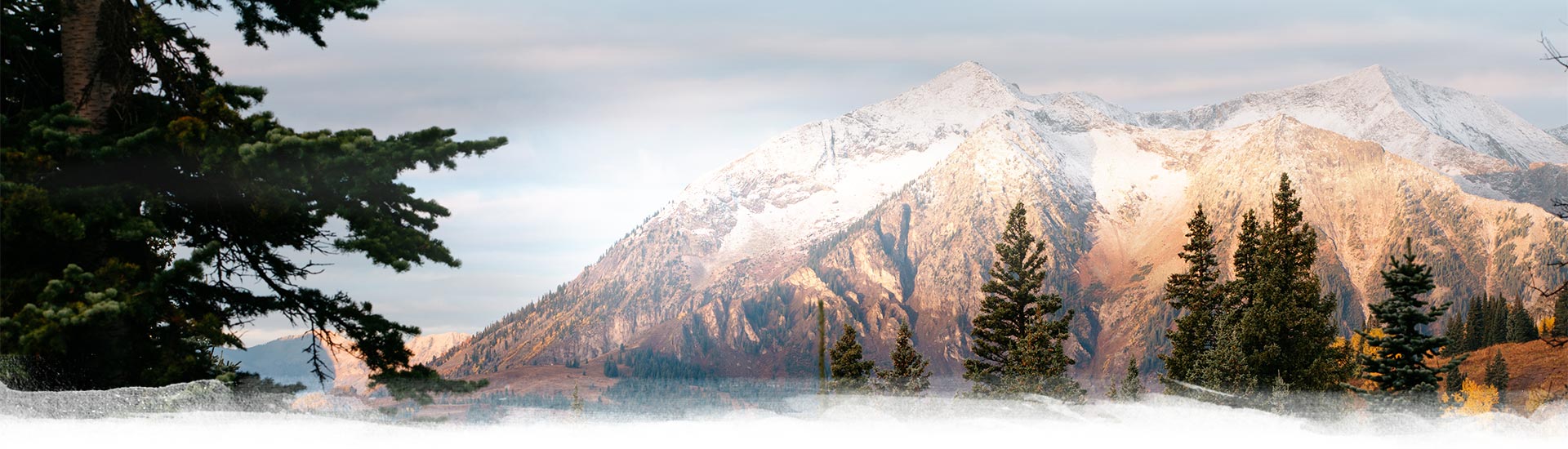
The Highlands region offers its most magical moments during the winter season. Glencoe, in winter, is draped in dramatic mists and snow showers, enhancing the majesty of the local mountains. For photographers, the winter in Glencoe, Scotland, is a paradise—the fog, dramatic light, and minimal tourists create perfect conditions for unique shots. Don’t miss the sunrise at Lochan na h-Achlaise, when the first rays of sunlight turn the mist pink.
| Region | Winter Temperatures | Winter Activities
|
Accessibility in Winter
|
| Highlands | -5 to 3°C (23 to 37°F) | Skiing in Cairngorms, snowshoe hiking | Partially limited—mountain passes often closed |
| Northern Coast | 0 to 5°C (32 to 41°F) | Aurora Borealis viewing, winter surfing | Good—occasional ferry disruptions |
| Edinburgh and Surroundings | 2 to 7°C (35.5 to 44.5°F) | Christmas markets, winter festivals | Excellent—operates without restrictions |
| Islands (Skye, Mull) | 1 to 6°C (34 to 43°F) | Winter photography, wildlife watching | Limited—frequent ferry cancellations |
Winter Activities and Experiences
One of the highlights of winter tours in Scotland is watching the Northern Lights. The best chance to see the Aurora Borealis is along the northern coast between November and March, when its green ribbons dance above the ocean on average twice a week. We recommend staying in one of the coastal villages in the Caithness area, where local accommodation providers often offer a wake-up service when the first signs of the Northern Lights appear in the sky.
Practical Tips for Winter Packing
The key to a successful winter adventure is the right gear. For a stay in wintery Scotland, waterproof boots with a good sole and a jacket with a membrane are essential. Insulated pants are especially useful in the mountains, where temperatures often drop well below freezing. Locals wear layers—as they’ve learned that the weather can change several times in just one hour. Don’t fight with an umbrella; the wind will turn it inside out. A good rain poncho or a long waterproof coat is much more practical.
If you’re interested in planning your own winter journey through Scotland, take a look here for a complete two-week itinerary that you can customize to suit your preferences. It includes plenty of additional tips, including accommodation recommendations and specific routes.
No Comments