
10 Sep Best Time To Visit Machu Picchu To Avoid Crowds
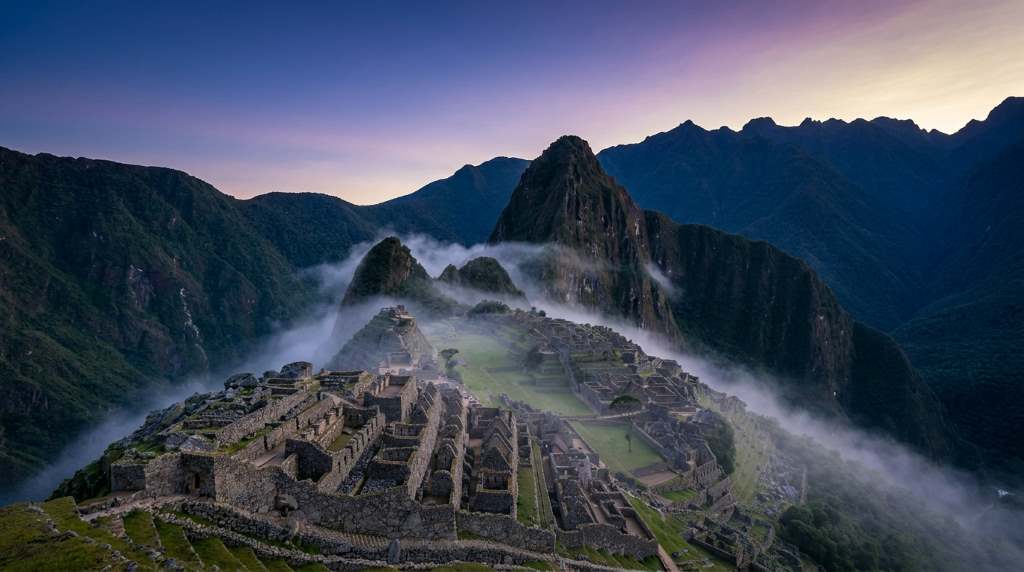
The best time to visit Machu Picchu to avoid crowds is late April, May, September, or October. Choose a weekday and an afternoon entry whenever possible for a noticeably calmer experience. These periods balance lighter visitor pressure, workable weather, and fewer peak-season complications.
Machu Picchu attracts travelers throughout the year, so completely empty viewpoints remain unlikely. However, smart timing can reduce congestion around entrances, terraces, and popular observation points.
Why Timing Matters More Than You Think
Machu Picchu no longer works like an unrestricted archaeological site. Timed admissions and designated circuits now control how visitors move through the sanctuary.
Therefore, choosing your travel month alone will not guarantee a peaceful visit. Your weekday, entry period, circuit, and arrival strategy can influence your experience considerably.
For example, a visitor arriving during a busy month can still enjoy quieter stretches with careful planning. Conversely, a supposedly quiet month can feel crowded during popular morning periods.
That distinction matters because many travelers focus only on rainfall and temperatures. Instead, think of crowd avoidance as a scheduling problem with several controllable variables.
The Best Overall Strategy
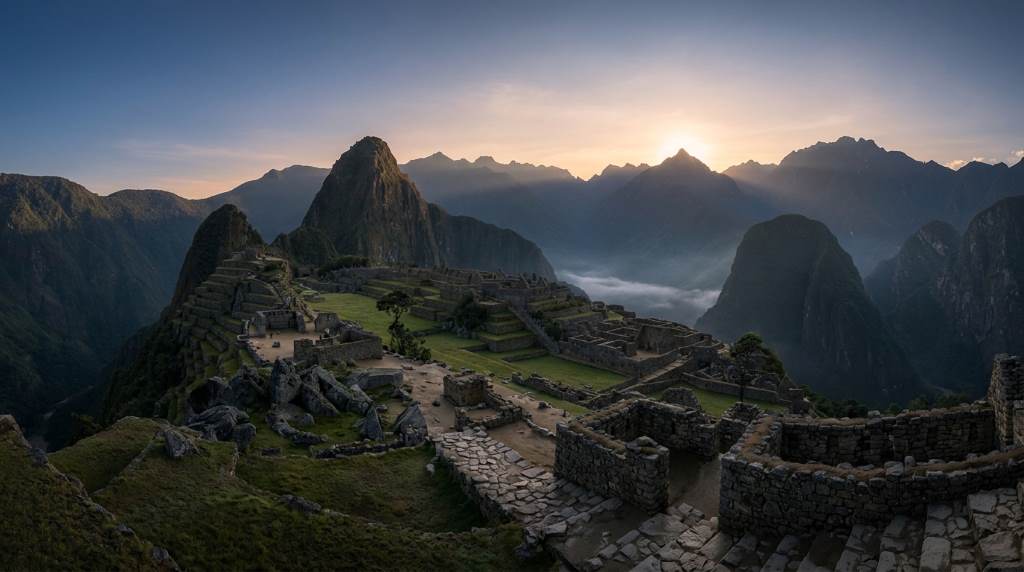
For most travelers, late April through May offers an excellent compromise between weather and visitor pressure. September and October provide another strong window after the busiest travel months.
Whenever possible, select Tuesday through Thursday rather than Saturday or Sunday. Midweek visits generally make it easier to avoid concentrated tourist groups and weekend travel patterns.
Also, consider an afternoon entry when your itinerary allows it. Current visitor arrangements divide access into morning and afternoon periods, helping distribute demand throughout the day.
Before booking, compare available entry periods rather than automatically choosing the earliest ticket. A slightly later visit can produce a calmer overall experience.
Choose The Right Season For Fewer Visitors
Seasonality remains one of the simplest ways to reduce crowd exposure. The shoulder months often provide a stronger balance than the busiest travel periods.
Late April and May work especially well for travelers who want relatively manageable visitor numbers. September and October can offer a similar advantage after the traditional high season.
For broader trip planning, practical affordable bath towels may seem unrelated. Yet lightweight packing becomes valuable when changing conditions affect your itinerary.
April And May
April sits near the transition from wetter conditions toward the drier travel period. By May, rainfall typically becomes less disruptive across the broader Cusco region.
Meanwhile, visitor demand may remain below the strongest levels associated with peak travel periods. That combination makes May particularly attractive for travelers prioritizing both scenery and manageable crowds.
Still, mountain weather changes quickly, so never treat seasonal patterns as guarantees. Carry suitable rain protection even when forecasts appear favorable.
September And October
September provides another strong shoulder-season option after the busiest winter travel period. October can also work well for travelers willing to accept somewhat greater rainfall risk.
These months can deliver a more relaxed atmosphere than the busiest holiday periods. However, ticket availability still matters because popular routes can sell quickly.
For travelers who value flexibility, these months offer another reason to build extra time around Machu Picchu. A flexible itinerary lets you respond to weather without sacrificing your preferred entry period.
Morning Or Afternoon: Which Is Better?
If avoiding crowds is your primary goal, afternoon entry often deserves serious consideration. Current regulations use morning and afternoon visitor periods to manage movement through Machu Picchu.
Morning visits remain extremely popular because travelers want sunrise views and early photographic conditions. Consequently, the entrance area and transportation connections can feel particularly active.
Afternoon visits can spread your sightseeing away from the busiest early arrivals. You may also encounter more comfortable temperatures later in the day.
However, afternoon entry does not automatically mean solitude. Your chosen circuit and travel date still influence how many people share your route.
When Morning Still Makes Sense
Choose morning entry if sunrise photography or cooler hiking conditions matter more than crowd avoidance. Early access can also suit travelers with tight same-day transportation schedules.
Nevertheless, arrive prepared for concentrated demand around popular transport connections. Give yourself enough time to reach the entrance without rushing.
Travelers pursuing Huayna Picchu or Machu Picchu Mountain should also prioritize their specific route requirements. Those mountain routes operate within the official circuit framework and have separate scheduling considerations.
Why Afternoon Visits Can Feel Different
Afternoon visitors often benefit from a different rhythm than travelers chasing the first available entry. The site can feel less dominated by large groups arriving simultaneously.
Additionally, late-day light can create excellent textures across stone walls and terraces. Photographers may appreciate softer illumination without needing to compete exclusively for sunrise viewpoints.
However, watch your departure schedule carefully because transport connections still require planning. Never sacrifice your return connection simply to gain a quieter final hour.
Use The Three Circuit System Strategically
Machu Picchu currently organizes visits through three principal circuits containing multiple designated routes. Circuit 1 emphasizes panoramic experiences, while Circuit 2 focuses on the classic archaeological experience.
Circuit 3 emphasizes the royal sector and includes several mountain-oriented options. Therefore, your definition of a quiet visit should influence your route selection.
For route planning, travelers can also review year-long mild climates when comparing broader travel ideas. The principle remains useful: choose conditions that reduce pressure on your schedule.
Circuit 2 For Classic Highlights
Circuit 2 remains an appealing choice when your priority includes many of Machu Picchu’s signature archaeological viewpoints. However, its popularity can also increase competition for space.
Therefore, pair this circuit with an intelligently chosen entry period. A quieter weekday afternoon can make the experience more manageable than a peak morning slot.
Always check the current route description before purchasing your ticket. Route availability can change according to season, conservation requirements, and official operating decisions.
Circuit 1 For Panoramic Views
Circuit 1 suits travelers who prioritize elevated perspectives and broader landscape views. It includes panoramic routes with different experiences and physical demands.
Some routes within the panoramic circuit operate only during designated periods. Consequently, verify availability before building your entire itinerary around a specific viewpoint.
Choose this circuit when expansive scenery matters more than seeing every archaeological structure. That decision can make your visit feel more intentional and less rushed.
Circuit 3 For A Different Experience
Circuit 3 provides access to areas associated with Machu Picchu’s royal sector. Several routes also incorporate mountain or specialized experiences.
Some options operate only during high season, so availability requires careful checking. Never assume every route remains accessible throughout the calendar year.
For a quieter visit, compare the route’s popularity with your personal priorities. The least crowded option means little if it excludes the places you most want to experience.
Pick Weekdays Instead Of Weekend Dates
After choosing your month, examine the calendar before selecting your ticket. Tuesday, Wednesday, and Thursday usually provide the most sensible starting points for crowd avoidance.
Weekends can combine leisure travelers, organized groups, and visitors following compressed itineraries. Therefore, even a favorable season can become noticeably busier on popular weekend dates.
Monday can work well too, although travelers arriving from Cusco may create concentrated demand after weekend schedules. Midweek therefore remains the strongest general strategy.
Watch Holiday And Festival Periods
Major holidays can change normal visitor patterns dramatically. Demand can increase even when the month normally experiences moderate tourism.
Before booking, check Peru’s national holiday calendar and major Cusco celebrations. Avoid assuming that a shoulder month guarantees low demand.
This strategy also protects your transportation plans because buses, trains, and hotels can experience heavier demand simultaneously. A quieter archaeological site means little if every surrounding service feels overcrowded.
Book Early Without Losing Flexibility
Popular Machu Picchu tickets can become difficult to secure when demand concentrates around specific dates. Therefore, crowd avoidance begins before you reach Peru.
Official visitor capacity rules can also vary by date and season. For example, Peru established a 5,600-visitor daily capacity for specified 2026 high-demand dates.
Current operating conditions can also change during the year. Recent official information reported a daily capacity of 4,044 visitors under the then-current operating arrangement.
These figures demonstrate why travelers should check current availability before relying on older travel guides. Regulations can change faster than published articles receive updates.
Reserve Your Preferred Time First
Once you identify your preferred date, secure the entry period before arranging secondary activities. Your Machu Picchu ticket should anchor the day’s schedule.
Then build transportation, meals, and hotel transfers around that fixed commitment. This approach reduces the temptation to choose a less suitable ticket later.
Official systems also offer limited in-person ticket sales in Machu Picchu Pueblo. Current information indicates up to 1,000 tickets can be sold daily through that channel.
Build A Low-Crowd Day From Start To Finish
Reducing crowds requires more than choosing a quiet entry time. Your entire travel day should minimize unnecessary bottlenecks.
First, keep your morning schedule simple and avoid stacking several fixed activities. Next, arrive in Machu Picchu Pueblo with enough time for transportation changes.
Then, follow your assigned circuit without lingering unnecessarily at congested control points. Finally, leave enough time for your return journey before transport becomes complicated.
A Practical Low-Crowd Schedule
- Choose a Tuesday, Wednesday, or Thursday when possible.
- Target late April, May, September, or early October.
- Compare afternoon tickets before automatically choosing morning entry.
- Select the circuit that matches your priorities rather than chasing every landmark.
- Confirm current route availability before purchasing specialized mountain routes.
- Build transportation buffers around your fixed Machu Picchu entry.
- Carry rain protection because mountain weather can change quickly.
This approach creates fewer decision points during the actual visit. As a result, you can focus more attention on the archaeological landscape itself.
What To Pack For A Less Stressful Visit
A lighter daypack can make crowded pathways easier to navigate. Pack only items that genuinely support your comfort and safety.
Bring water, sun protection, rain protection, and necessary personal items. Comfortable footwear also matters because uneven terrain can make a long visit tiring.
If you need additional traveler assistance, access homeless support is unrelated to Machu Picchu planning. Still, the broader lesson applies: identify essential support resources before travel.
Prepare For Fast Weather Changes
Machu Picchu sits in a mountainous environment where conditions can shift quickly. Morning sunshine does not guarantee dry conditions throughout your visit.
Therefore, use lightweight layers and pack rain protection rather than relying on one forecast. This preparation prevents weather from forcing an unnecessary change of plans.
Sun protection remains equally important because cloud cover can create a false sense of safety. Apply sunscreen and consider a lightweight hat before entering the site.
Common Mistakes That Create Bigger Crowds
Many visitors accidentally create a crowded experience through poor itinerary design. The first mistake involves choosing the earliest entry simply because it sounds more exclusive.
The second mistake involves visiting during holidays without checking demand. The third involves selecting a popular circuit without understanding its route structure.
Another common error involves booking transportation too tightly around the entrance time. Delays then create stress and can force rushed decisions throughout the day.
Do Not Chase Perfect Solitude
Machu Picchu remains one of the world’s most famous archaeological destinations. Expecting an empty sanctuary creates unrealistic expectations regardless of your travel date.
Instead, aim for manageable movement, shorter queues, and better access to viewpoints. That standard produces a much more realistic and satisfying travel goal.
The Best Month Depends On Your Priorities
May stands out when you want a strong balance between manageable crowds and generally favorable conditions. September offers another attractive choice for travelers planning after the busiest period.
Late April works well for flexible travelers who can tolerate occasional unsettled weather. October can reward visitors with shoulder-season advantages while carrying greater rainfall uncertainty.
Meanwhile, June through August can offer excellent conditions but often brings stronger tourist demand. These months suit travelers who prioritize weather reliability over crowd reduction.
Quick Decision Guide
| Priority | Recommended Approach |
|---|---|
| Fewest crowds | Choose a shoulder month and weekday |
| Best balance | Target May or September |
| Cooler conditions | Consider an early entry |
| Calmer atmosphere | Compare afternoon availability |
| Mountain route | Check route-specific availability first |
| Flexible itinerary | Leave buffer time around your visit |
Final Verdict: The Best Time To Visit Machu Picchu
The best time to visit Machu Picchu to avoid crowds is a shoulder-season weekday, preferably in May or September. Choose an afternoon entry when your priorities favor calmer movement over sunrise photography.
Most importantly, do not rely on seasonality alone. Combine the right month, weekday, entry period, circuit, and transportation buffer for the best result.
Check current official ticket availability before finalizing your itinerary because visitor rules and capacities can change. Then build the rest of your trip around that confirmed entry.
Ready to plan a quieter Machu Picchu experience? Pick your preferred shoulder-season weekday, compare afternoon availability, and secure your ticket before arranging everything else.
Frequently Asked Questions
What Is The Quietest Month To Visit Machu Picchu?
May and September are among the strongest choices for balancing lower visitor pressure with favorable travel conditions.
Is Morning Or Afternoon Better For Avoiding Crowds?
Afternoon entry can provide a calmer experience because visitor demand often concentrates around popular morning periods.
Is May A Good Time To Visit Machu Picchu?
Yes, May offers an excellent combination of manageable crowds, improving weather, and strong sightseeing conditions.
Should I Visit Machu Picchu On A Weekday?
Yes, Tuesday through Thursday usually provide the most sensible weekday choices for reducing concentrated visitor demand.
Can I Avoid Crowds Completely At Machu Picchu?
No, but careful timing can substantially reduce congestion and create a more comfortable overall visit.
No Comments