
04 Feb Best Travel Destinations With Stunning Views and Fewer People
Overtourism plagues popular destinations worldwide, diminishing travel experiences with crowds and long lines. However, countless beautiful locations remain relatively undiscovered by mass tourism. These hidden gems offer breathtaking scenery without the overwhelming tourist presence found at famous landmarks.
Finding spectacular destinations with fewer visitors requires looking beyond typical travel guides. This article reveals stunning locations where natural beauty meets tranquility, allowing travelers to enjoy authentic experiences and unobstructed photo opportunities.
Why Choose Less Crowded Destinations
Popular tourist spots often disappoint with overcrowding that obscures views and creates stress. Additionally, overtourism damages fragile ecosystems and strains local infrastructure. Choosing lesser-known destinations supports sustainable tourism while enhancing personal travel satisfaction.
Less crowded locations typically offer better value for accommodations and dining. Prices remain reasonable because these areas haven’t experienced tourism-driven inflation. Moreover, interacting with locals becomes easier when communities haven’t grown weary of constant tourist presence.
Travelers discover authentic cultural experiences in places where tourism hasn’t homogenized local traditions. Small villages and overlooked regions maintain genuine character and customs. Therefore, adventurous travelers gain deeper cultural understanding beyond superficial tourist attractions.
Faroe Islands: Nordic Beauty Without the Crowds
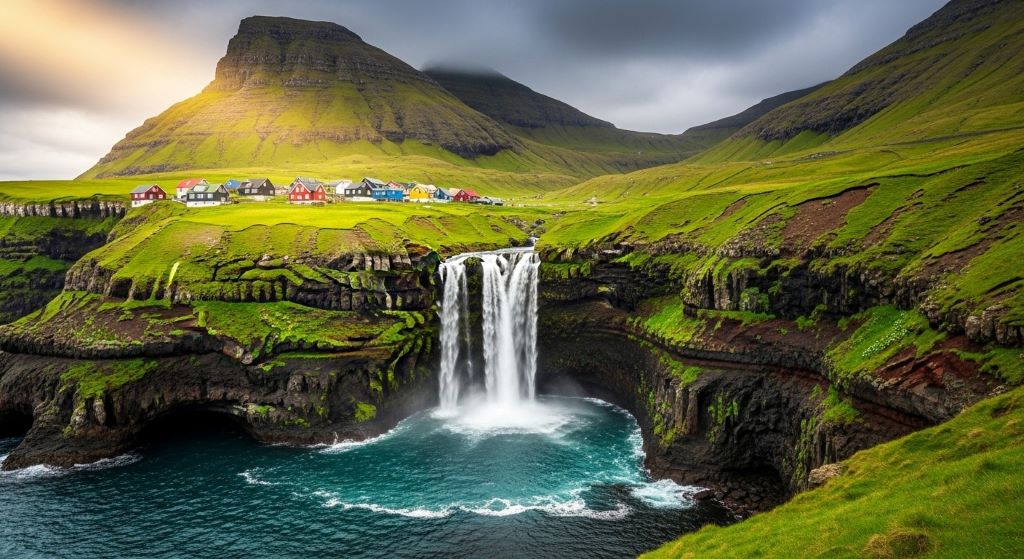
The Faroe Islands float between Iceland and Norway in the North Atlantic Ocean. These 18 volcanic islands offer dramatic cliffs, cascading waterfalls, and colorful villages. Despite stunning scenery, the Faroes receive far fewer visitors than nearby Iceland.
Mulafossur Waterfall on Vagar Island plunges directly into the ocean beside a picturesque village. Photographers capture incredible shots without competing for positions. Additionally, hiking trails like Kallur Lighthouse trek provide panoramic views over rugged landscapes.
Grass-roofed houses dot hillsides in capital city Torshavn, creating storybook scenes. The compact city offers excellent seafood restaurants and Nordic charm. However, weather remains unpredictable, so pack layers regardless of season.
Getting there requires flights through Copenhagen or Reykjavik, which naturally limits visitor numbers. This relative inaccessibility preserves the islands’ unspoiled character. Moreover, friendly locals welcome visitors warmly in this tight-knit community.
Slovenia: Alpine Scenery and Emerald Rivers
Slovenia remains Europe’s best-kept secret despite bordering popular Italy and Austria. Lake Bled presents postcard-perfect views with a church-topped island and medieval castle. Morning mists create ethereal scenes reflected in crystal-clear waters.
The Julian Alps provide world-class hiking without the crowds found in Swiss or French Alps. Triglav National Park features turquoise rivers, pristine forests, and dramatic peaks. Additionally, well-marked trails suit various fitness levels from casual walkers to serious mountaineers.
Vintgar Gorge offers wooden walkways alongside rushing rapids and waterfalls. This natural wonder sees moderate visitors compared to overcrowded European attractions. Therefore, arriving early ensures peaceful exploration of this geological marvel.
Ljubljana, the charming capital, features Baroque architecture and riverside cafes. The compact city center remains walkable and genuinely welcoming. Moreover, Slovenia’s wine regions produce excellent varietals in scenic countryside settings.
Azores Islands: Portugal’s Atlantic Paradise
The Azores archipelago sits 1,000 miles off Portugal’s coast in the mid-Atlantic. Nine volcanic islands feature crater lakes, hot springs, and lush green hillsides. These islands receive fewer tourists than mainland Portugal or Madeira.
Sete Cidades on Sao Miguel Island showcases twin lakes in blue and green hues. Hiking rim trails provides spectacular crater views without crowds. Additionally, natural hot springs and fumaroles demonstrate ongoing volcanic activity.
Pico Island features Portugal’s highest mountain rising dramatically from the ocean. Climbing Pico Mountain rewards adventurers with sunrise views above the clouds. However, the challenging ascent requires proper preparation and respect for changing weather.
Whale watching in Azorean waters offers intimate encounters with marine life. Multiple species migrate through these rich feeding grounds year-round. Moreover, small boat tours maintain respectful distances while providing incredible viewing opportunities.
According to National Geographic, the Azores have implemented sustainable tourism practices that limit visitor impact while showcasing natural beauty.
Albanian Riviera: Mediterranean Beaches Without Crowds
Albania’s southern coastline rivals Greek islands for beauty but receives fraction of visitors. Turquoise waters lap against white pebble beaches backed by mountains. This Adriatic gem remains affordable and authentically Mediterranean.
Dhermi Beach offers crystal-clear swimming in a spectacular setting. Beach clubs provide amenities while maintaining relaxed atmosphere. Additionally, sunset views over the Ionian Sea create romantic evening experiences.
The mountain village of Gjirokaster features Ottoman-era stone architecture and a imposing hilltop castle. UNESCO recognition hasn’t brought overwhelming tourism yet. Therefore, wandering cobblestone streets feels like stepping back in time.
Albanian hospitality shines in family-run guesthouses and local restaurants. Fresh seafood and traditional dishes cost significantly less than neighboring countries. Moreover, English speakers are increasingly common among younger generations.
Lofoten Islands: Arctic Landscapes Above Norway
Lofoten Islands extend into Arctic waters north of Norway’s mainland. Jagged peaks rise dramatically from fjords creating some of Earth’s most striking scenery. Despite incredible beauty, Lofoten sees manageable tourist numbers outside peak summer.
Traditional fishing villages like Reine and Hamnoy appear impossibly picturesque against mountain backdrops. Red fishing cabins called rorbuer provide authentic accommodation experiences. Additionally, these historic structures offer modern comforts with unbeatable views.
Summer brings midnight sun allowing 24-hour exploration and photography. Winter offers northern lights dancing above snow-covered peaks and frozen seas. However, winter visits require preparation for extreme weather and limited daylight.
Hiking opportunities abound from easy coastal walks to challenging mountain ascents. Reinebringen trail provides iconic Lofoten views after a steep climb. Moreover, fishing, kayaking, and wildlife watching fill outdoor adventure itineraries.
Namibia: Desert Landscapes and Wildlife
Namibia offers African adventure with fewer crowds than popular safari destinations. The Namib Desert features the world’s highest sand dunes in surreal orange and red hues. Sossusvlei’s ancient clay pan creates otherworldly landscapes perfect for photography.
Deadvlei presents stark white clay dotted with centuries-old dead trees against red dunes. This iconic scene attracts photographers but never feels overcrowded. Additionally, climbing nearby Dune 45 provides spectacular sunrise views.
Etosha National Park delivers excellent wildlife viewing with self-drive accessibility. Elephants, lions, and rhinos gather at waterholes visible from camp viewing areas. Therefore, safari experiences feel more independent and less commercial than elsewhere.
The Skeleton Coast combines shipwrecks, seal colonies, and desolate beauty. This remote region sees minimal visitors despite incredible scenery. Moreover, coastal fogs create mysterious atmospheres along the Atlantic shoreline.
Kyrgyzstan: Central Asian Mountain Paradise
Kyrgyzstan remains off most travelers’ radars despite spectacular mountain scenery. Over 90 percent of the country features mountains including soaring Tian Shan peaks. Traditional nomadic culture persists in remote valleys and alpine pastures.
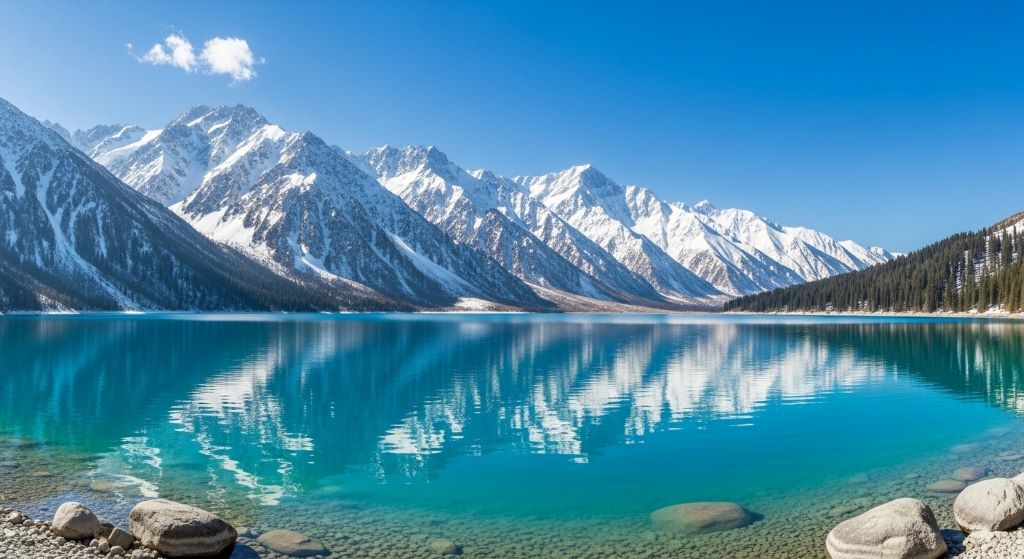
Issyk-Kul Lake stretches 113 miles surrounded by snow-capped mountains. This alpine lake never freezes despite its elevation, creating stunning contrasts. Additionally, lakeside towns offer comfortable bases for regional exploration.
Song-Kol Lake sits at 10,000 feet elevation in pristine alpine meadows. Nomadic herders maintain yurt camps welcoming visitors to traditional lifestyles. Horseback riding across endless grasslands provides unforgettable cultural immersion.
Trekking opportunities range from day hikes to multi-week expeditions. Well-established routes pass through pristine wilderness without requiring guides. However, basic Russian or Kyrgyz phrases enhance interactions with rural communities.
According to BBC Travel, Kyrgyzstan actively develops sustainable tourism while maintaining its authentic nomadic heritage and pristine landscapes.
Tasmania: Australia’s Wilderness Island
Tasmania offers dramatic landscapes separate from mainland Australia’s tourist circuits. Cradle Mountain features alpine peaks reflected in glacial lakes. The Overland Track provides multi-day hiking through pristine wilderness with hut accommodations.
Wineglass Bay curves perfectly between granite headlands creating one of Australia’s most beautiful beaches. The lookout hike rewards with spectacular views over turquoise waters. Additionally, the bay itself remains relatively empty even during summer.
Freycinet Peninsula combines mountains, beaches, and coastal forests in compact area. Wildlife encounters include wombats, wallabies, and endangered Tasmanian devils. Moreover, small-scale wineries produce excellent cool-climate wines.
Hobart blends colonial architecture with contemporary arts and excellent food scene. The Saturday Salamanca Market buzzes with local crafts and produce. However, the city maintains manageable size and genuine character.
Practical Tips for Visiting Less Crowded Destinations
Research transportation options carefully as remote destinations may require extra planning. Rental cars provide flexibility for exploring areas with limited public transit. Additionally, domestic flights sometimes offer surprisingly affordable access to isolated regions.
Book accommodations in advance during shoulder seasons when available lodging is limited. However, these quieter periods often provide the best weather and smallest crowds. Therefore, traveling off-peak maximizes both value and experience quality.
Learn basic local language phrases to enhance interactions in less touristy areas. English proficiency varies considerably in overlooked destinations. Moreover, attempting local languages demonstrates respect and often receives warm responses.
Pack appropriately for destination-specific conditions that may differ from popular tourist areas. Remote locations may lack easy access to supplies or services. However, proper preparation ensures comfortable experiences in any setting.
Respect local customs and environment in destinations unaccustomed to heavy tourism. Sustainable travel practices preserve these special places for future visitors. Additionally, supporting local businesses directly benefits communities rather than international chains.
How to Find More Hidden Gem Destinations
Follow travel bloggers specializing in off-the-beaten-path destinations rather than mainstream influencers. These writers share detailed information about lesser-known locations. Additionally, their recommendations typically avoid overtouristed spots.
Consult sustainable tourism organizations highlighting destinations managing visitor numbers responsibly. These resources identify places balancing tourism with environmental protection. Moreover, they often provide tips for responsible visiting.
Look beyond first-page search results when researching destinations online. Popular places dominate search rankings while hidden gems require deeper investigation. Therefore, dedicated research reveals spectacular alternatives to crowded hotspots.
Ask well-traveled friends about favorite underappreciated destinations they’ve discovered. Personal recommendations often reveal places missing from guidebooks. Additionally, firsthand experiences provide realistic expectations about accessibility and conditions.
Conclusion
Stunning travel destinations exist worldwide without the overwhelming crowds plaguing famous landmarks. From the Faroe Islands’ dramatic cliffs to Namibia’s desert landscapes, these locations offer authentic experiences and unobstructed views. Therefore, adventurous travelers willing to venture beyond typical tourist circuits discover exceptional beauty and genuine cultural connections. Planning visits to less crowded destinations supports sustainable tourism while creating more meaningful travel memories. The world’s most spectacular scenery often awaits in places where mass tourism hasn’t yet arrived.
Frequently Asked Questions
How do I find destinations with fewer tourists but still safe to visit?
Research travel advisories from official government sources and consult recent traveler reviews on reputable platforms. Lesser-known doesn’t mean unsafe. Countries like Slovenia, Kyrgyzstan, and Albania maintain good safety records despite lower tourist numbers. Additionally, travel insurance provides peace of mind everywhere.
What is the best time to visit less crowded destinations?
Shoulder seasons typically offer ideal conditions with smallest crowds and moderate weather. Spring and fall provide comfortable temperatures in most destinations. However, research specific locations as some remote areas experience extreme seasonal variations affecting accessibility.
Are less crowded destinations more expensive to reach?
Transportation costs vary but aren’t necessarily higher for less touristed places. Some remote destinations require connecting flights increasing expense. However, once there, accommodations and activities often cost significantly less than popular tourist areas, balancing overall travel budgets.
Do I need special permits for visiting remote destinations?
Most destinations mentioned require only standard tourist visas or visa-free entry for many nationalities. However, specific national parks or protected areas may require permits purchased in advance. Research entry requirements several months before departure to avoid complications.
Can I find English speakers in less touristy destinations?
English proficiency varies considerably in less touristed areas. Major cities and tourist services typically have English speakers, while rural areas may not. Additionally, translation apps help overcome language barriers, and locals often appreciate visitors attempting their language.
Related Topics:
Pacific Northwest National Park Road Trip
Where to Stay in Nashville Downtown: The Ultimate Guide for Travelers
No Comments